Dining in Bangkok: Rocket Coffeebar

For nearly eight years living in Bangkok, I have lamented how few good breakfast and brunch restaurants we have. This has started to change recently and Rocket Coffeebar on Sathorn Soi 12 is a welcome addition to the breakfast scene.

P1260955

Opened by several of the people behind Hyde & Seek on Soi Ruamradee, Rocket Coffeebar’s vibe would fit in well in Stockholm, Sydney, or San Francisco. The interior is small – seating perhaps sixteen people – and is done up in stylish marble counters and tiles. Continue reading

Nut-Crusted Chicken Cutlets

One of my little pleasures in life is watching America’s Test Kitchen. While goofy and geeky (perhaps that’s why I like it), the team behind the show delivers interesting and informative recipes that make it easy to improve your cooking. Recently, I tried recreating their recipe for nut-crusted chicken cutlets and was very happy with the results.

P1270020

The recipe tackles the common pitfalls of nut-crusted chicken: flavorless chicken and bland, burnt, soggy, or oily crust. There are several tricks they suggest. One of the most interesting is to use panko (Japanese style breadcrumbs) which do a better job of remaining crisp. They also suggest browning the butter in a skillet and then toasting the nuts and breadcrumbs so they begin to caramelize before you ever bread the chicken cutlets.

P1270022

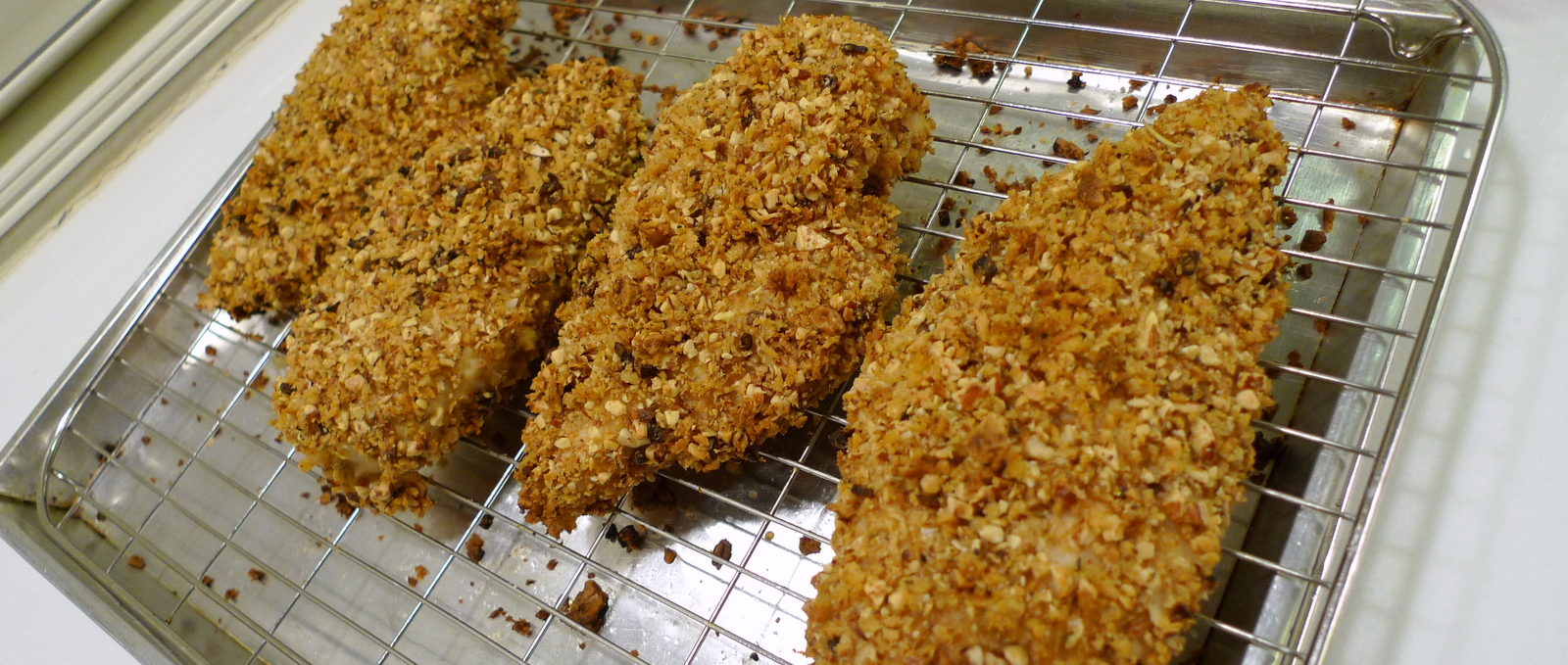
They further suggest salting the chicken and letting it rest for about thirty minutes before preparing the dish. This creates a dry brine, sealing in the chicken’s moisture. Finally, instead of frying in oil, you bake the breaded cutlets on a wire rack set above a baking sheet. This allows hot air to circulate, cooking and crisping the chicken on all sides without adding any more oil to the dish.

P1270027

The end result was fantastic – one of the first times I’ve had a breaded chicken cutlet that was actually moist and flavorful. The crust was crisp and buttery but not greasy or heavy. Definitely a good technique and one I will repeat!

The show is produced by the publishers of Cooks Illustrated magazine. They don’t accept advertising so all their evaluations of recipes, ingredients, and equipment are made based on quality alone. Their approach to recipes is to figure out how to achieve great results consistently, eliminating the pitfalls that plague some dishes.

The thing I like best about the show is that it is one of the few cooking shows on television that is actually about cooking. So much of what we see these days is about food and eating but not that much about the technique of preparing the food. It is a refreshing return to how cooking shows started out.

Battle of the Bangkok Dogs

The latest trend in Bangkok seems to be dog fighting. Not the cruel sport pitting canine against canine, mind you, but the culinary sport pitting hot dog vendor against hot dog vendor. Thankfully, the winner of this contest is the frankfurter-hungry consumer. Two hot dog companies have opened recently: Superbdog and Corn Dog Dude. Their promise is true American style hot dogs. Accompanied by my Floridian friend John, we set out on a recent evening armed with antacid tablets, ready to try both companies’ offerings.

Continue reading

Cooking Khao Soi with Chow

One of my favorite Thai dishes is khao soi, the curried noodles that hail from Northern Thailand. With a variety of textures and loads of rich broth, it makes a satisfying meal. Recently, my Bangkok Glutton friend Chow arranged for her aunt to share their family’s recipe for khao soi with us.

We returned to Chow’s kitchen to try our hand at recreating the recipe. While the results were good, it is safe to say that we are going to need a lot more practice before Chow’s aunt has anything to fear from our competition!

P1270118

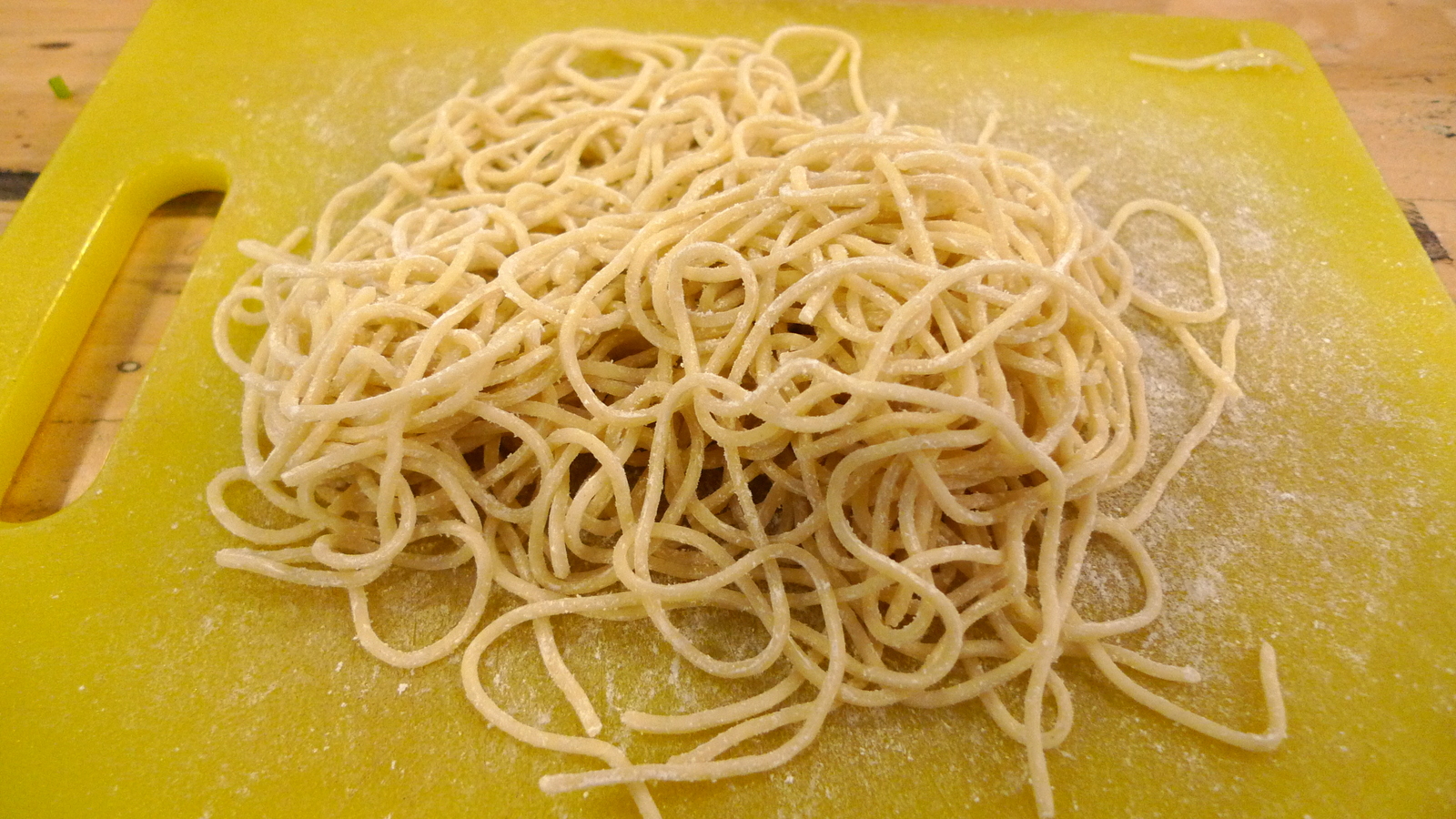
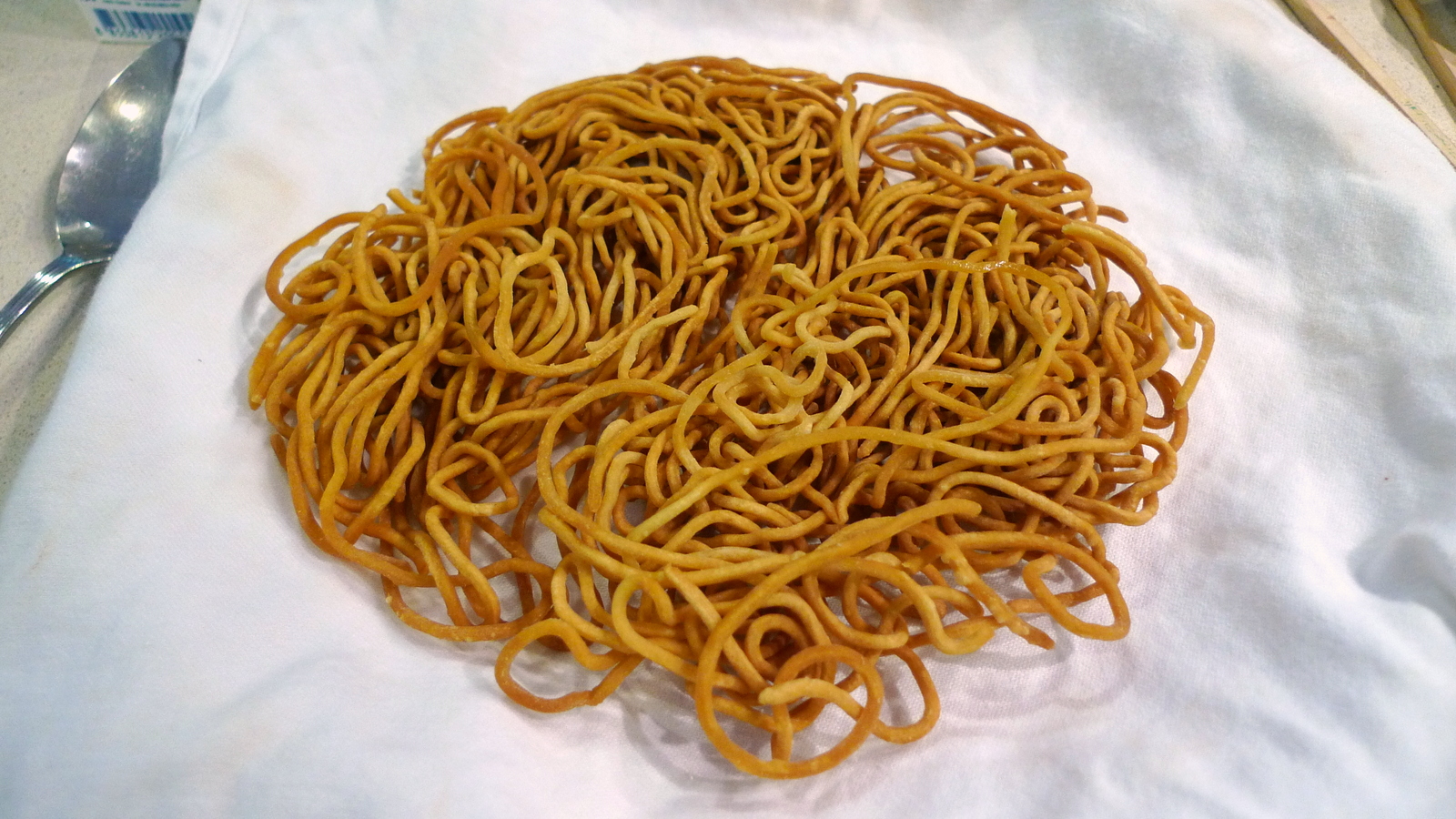
Khao soi is made with egg noodles. There are a variety of types, but if you have an Asian market in your city, any fresh egg noodles will do. The noodles are split into two batches: one that is blanched in boiling water and the other that is fried to make a crunchy garnish.

P1270115

The fried noodles are easier to make than I expected, not requiring much oil at all. The resulting crispy noodles are addictive. Hard to not eat them before finishing the rest of the cooking!

P1270112

The base of the khao soi is a yellow curry combined with a fried mixture of ginger and shallots. You can use any yellow curry paste available at your local Asian market. The better the quality paste, the better the flavor, of course.

Like many curries, coconut milk is added to create richness. You can use a “lite” coconut milk or add some broth to thin it out. For the meat, you can use any type of meat you like. Beef and chicken are more traditional but pork or firm tofu would be fine. The flavor of the curry might overwhelm shellfish, though.

P1270121

Like all noodle dishes in Thailand, proper khao soi is served with a variety of condiments. Here, you have dried chili flakes, chopped green onions and coriander, fresh shallots, chili oil, minced pickled cabbage (rinse off some sauerkraut as an easy substitute), and fresh lime.

P1270128

The end result looked fantastic and tasted good. Getting the proper balance of flavors – fish sauce and sugar need to be added to taste – is where the secret of a true khao soi master lies. Again, Chow’s aunt has nothing to worry about!

Down-home American Cuisine

Two weeks ago, Chow suggested we invite friends over to her house and cook a dinner that relied on a new cookbook she had received. The cookbook contained only “down-home” classic American dishes, organized on a state-by-state basis. Of course, I’m up for trying to cook almost anything in the kitchen, especially if it is someone else’s kitchen!

The main course of the meal was “Kansas Fried Chicken”. Having a lot of relatives in Kansas and having lived there a year before moving to Thailand, I can’t rightly say what distinguished fried chicken as “Kansas” fried chicken. This was only my second time trying to make fried chicken and I have to say, keeping the oil temperature consistent around the 350 F target is a pain in the neck.

The end result turned out pretty well. The chicken isn’t brined or marinated. Simply pat it dry, sprinkle liberally with salt, pepper, and paprika, and then dredge in a mixture of flour, salt, pepper, and I added some chile powder. The result was super. The chicken remained moist and with sufficient salt, very flavorful. Afterwards, I used a few tablespoons of the oil to make the best gravy I’ve ever made.

If you have gravy, you might as well have some biscuits, right? These were another recipe from the cookbook and, oddly, they used vegetable oil rather than a solid fat such as butter or Crisco. The texture was tender although I think my biscuit recipe (from my mother) is better. The Crisco in the recipe gives it a flakier texture.

Side dishes included a baked spinach casserole. The bread crumbs Chow used were panko, the Japanese bread crumbs used in tempura. The dish was very dry; not sure if something more was meant to be added to the greens. It was tasty, though.

The asparagus side dish was fantastic. It used cream of mushroom soup straight from the can, spread in alternating layers with the asparagus and then baked. On the top are crushed Cheese-It crackers. 

Used this opportunity to break out a jar of the pickled green tomatoes and shallots that I made a month ago. These were great. I need to figure out somewhere to get a larger quantity of green cherry tomatoes so I can pickle more.

Dessert was a cherry and blackberry pie with a scoop of vanilla ice cream. Nice and simple, keeping with our Americana theme.


Dining in Taipei: Kiki Restaurant

This last trip to Taipei marked my third time dining at Kiki Restaurant. Despite being owned by a celebrity (usually a black mark) and having multiple branches (often tough to maintain quality), Kiki Restaurant serves very good Szechuan-inspired food in a pleasant setting with attentive service. Each of my visits has been to the branch on Fuxing South Road in the Zhongshan District.

Crispy deep-fried egg tofu. Egg tofu is literally a type of tofu that has eggs incorporated before the soy milk is coagulated. When fried, the inside has a creamy, custard-like texture that is very pleasant to eat. This dish was not oily at all and was a very enjoyable start to the meal.

The second dish was a marinated chicken dish. While the chicken is cooked, the dish is served cold. This is a bit of an acquired taste for some people as the chicken skin has a texture that might be described as “rubbery but not chewy”. The flavor is excellent – Taiwanese chickens are the most flavorful I have eaten anywhere. The seasoning was chili oil, peanuts, and green onions.

The third dish was stir fried minced pork with Chinese chives and fermented black beans. This was a fantastic dish, lots of umami thanks to the black beans. Visually, it is eye-catching, too!

Our fourth dish was Szechuan style spicy noodles with minced pork, also known as “dan dan noodles”. Made with Szechuan peppercorns as well as chilies, this dish gently numbs the tongue while also setting it on fire. The key to this dish is to achieve the right balance. Too many of the peppercorns and your tongue ends up useless.

What might be one of the most popular Szechuan dishes worldwide, four season beans with minced pork and Chinese spices. Cooked in a blazing hot wok, the beans are seared quickly, locking in their flavor and freshness.

We also consumed several orders of the “home-style” Chinese bread roll, a very simple wheat flour roll served either steamed or deep fried with a side of sweetened condensed milk. Sugi and Tawn both liked the deep fried version. I found it a little oily and preferred the steamed version.

As always, we benefitted greatly from Andy (yang1815) handling the ordering. Andy’s good taste and enthusiasm for food is infectious and makes traveling with him a blast.


Châteaux Faugères Wine Lunch at Quince

This week, Tawn and I were invited to join a small wine-tasting lunch at local restaurant Quince, featuring wines made and distributed by Châteaux Faugères. The four-course menu was tasty, complemented by an overwhelming number (eight or nine – I lost count) of enjoyable wines.

Châteaux Faugères is located near Saint-Émilion in the Bordeaux region of France. I do not know a great deal about French wines and enjoyed the opportunity to listen to the owners talk about the differences between the different varieties. They seem very passionate about their wines and I look forward to searching some of them out in local wine markets.


The meal began with a crab cake served with a beet puree and fried squid. It went very well with a number of whites wines, including a very crisp Bordeaux Blanc. 

By the second course, we were into red wines. The dish was a poached egg served with a Parmesan foam, slice of duck breast, and soybeans. Very tasty dish.

There was a bit of a pause between the second and third courses. By this point, we had more wine glasses going that I could keep track of. The conversation was fascinating as we had the opportunity to network with food and travel writers as well as other interesting people, some of whom we had met before, others of whom were new acquaintances.

The third course was a nicely cooked piece of steak and a slice of potato galette. Very simple but executed well and attractively plated.

Final course, dessert, was a passion fruit panna cotta, served in two halves of the fruit with passion fruit gelato, whipped cream, and candied corn flakes. Very nice conclusion to the meal.

This was our first visit back to Quince since original chef Jess Barnes left. (He is at the newly opened Opposite Mess Hall which we tried last weekend and I will soon write about.) Being a big fan of Jess’ cooking, I was curious how the quality at Quince has held up. From the looks of it, the new chef, Wilfrid Hocquet, seems to be putting his own take on the menu while not departing too far from the style of cooking that Quince has become known for.


Noodles with Honey Braised Chicken

Street food is one of the things that makes Bangkok a real pleasure to visit or to live in. There is such a variety of food, almost all of it of high quality and flavor. A recent favorite of mine is a long-standing Sukhumvit Road staple: Guaytiaw Pikgai Sai Nampung. This is a typical noodle shop selling honey-braised chicken.

This is a bowl of “dry” noodles (broth served in a separate bowl on the side) with a wing and drumstick. Some bean sprouts and chopped long beans. Many different types of noodles are available. I chose giam ee, a hand-rolled rice noodle similar to German spätzle. I like it because it is easier to eat than long noodles and holds onto the seasonings better, too.

The chicken is very tender, sweet and flavorful with the hint of honey to it. You can also choose other parts of the chicken if you prefer breast meat, for example. There are other ingredients available, too, in case you prefer further customization. Here in Thailand, the noodle shops are all about customization!

More a picture of Tawn than of the shop, but you can see that it is neat and tidy, even though it has been opens for many years. The walls are hung with newspaper clippings, family photos, and photos of His Majesty the King. The laminated table tops have worn with age but are kept sparkling clean.

If you are interested in visiting, the restaurant is in Sukhumvit Soi 20/1, a small dog-legged alley that connects to Sukhumvit road just about 10 meters west of the mouth of Soi 20. The restaurant is the fourth or fifth shop in on the right-hand side. You will see the aunty cooking just outside the front of the shop, the smell of the chicken beckoning you.


Cooking Various Thai Street Food

In my continued unemployment (well, at least I’m not formally employed full-time), I am assisting my friend Chow with testing recipes for the updated edition of her guidebook to Thailand’s best street food. This involves going out to try different dishes in their original context – i.e. on the street – and then returning to her kitchen to try and recreate the dishes, taking notes for how cooks in other countries can modify or substitute techniques and ingredients as necessary. It is a tough job, but someone has to do it.

For this group of recipes, we went to a long-established Isaan style street food vendor on Soi Suan Phlu, off Sathorn Road. “Isaan” refers to the northeastern region of Thailand, a dry, poorer portion of the country and also home to a large percentage of the total population. Isaan food is spicy and often uses fermented foods (shrimp paste, fish, chili paste, etc.) to add flavor. While foreigners (and for that matter, many Thais from central Thailand) can find the food a bit too strong, many of the dishes have gained admission to the pantheon of popular Thai cuisine. Chief among these are som tam (green papaya salad), gai yang or moo yang (grilled chicken or pork), and larb (chopped meat and herb salad).

Here is the street vendor’s version of kor muu yang – grilled pork neck. Thai pork is moister and more flavorful than the pork available in the United States, which has been bred to be low-flat and, thus, bland. The neck has plenty of fat and the meat undergoes a quick marinade and then grilling over blazing hot charcoal. Though simple, the flavors are very rewarding to eat.

Another dish we tried is the yam plaa muk – squid salad. “Yam” (which means “mix”) refers to a style of salad that originates in Isaan, although of course it wouldn’t originally be served with fresh squid since that region is a long way from the ocean. Regardless of the main ingredients, the dressing always includes shallots or onions, lime juice, fish sauce, sugar (usually palm), and fresh chilies. That’s the holy quartet of Thai cuisine: sour, salty, sweet, and spicy.

Back at Chow’s kitchen, we tried our hand at yam pla muk. In addition to the fresh squid (it must be fresh or else it will be rubbery), which is cleaned, cut, and boiled very briefly (it must be brief or else it will be rubbery), we added Chinese celery (substitute the leaves and thin ends of regular celery), onion, and tomatoes. Mix all the ingredients in a bowl, along with the sauce ingredients I mentioned in the previous paragraph.

The end result is a refreshing, ceviche-like dish that makes for a perfect summer salad. If you don’t like squid or can’t find any, you could use shrimp or fish, too. You could also use chicken, beef, pork (sliced and cooked), or even pomelo. Lots of options.

We also tried our hand at muu yang, the grilled pork. Lacking a grill, we seared on a cast iron griddle and then finished the pork beneath the broiler. We were focusing more on the marinade rather than the way the meat was cut and discovered that the marinade recipe will be trickier to figure out than we expected! This will require more experimentation. The red sauce is a bottled sweet chili sauce that is available in most Asian food markets. Served also with some sticky (glutinous) rice, another Isaan staple.

While we were at it, we also tried our hand at satay. Satay are skewers of meat (in this case, pork and chicken) that are marinated, brushed with coconut milk, and grilled. They actually come from southern Thailand by way of Indonesia. We didn’t focus on cutting the meat into thin strips and instead went for chunks. We did make the peanut sauce from scratch. A lot of recipes available to foreigners substitute peanut butter instead of ground peanuts. Yes, you can do that… but it really doesn’t taste the same. Served with cucumbers, shallots, and chilies briefly pickled in a rice wine vinegar and sugar brine.

The experience of cooking with Chow is always fun. For all the years I’ve lived in Thailand, I’m woefully ignorant of how my favorite Thai dishes are made. When there is such inexpensive and tasty street food available, there is little incentive to cook these dishes myself. (Especially since some of the ingredients and cooking processes come with a strong smell. Fermented shrimp paste anyone?)

 

Food in Bangkok: Elvis Suki

Elvis has left the building and is now selling Thai sukiyaki on a street-side restaurant not far from the Hualamphong Railway Station. Recently, my foodie friend Chow (author of the Bangkok Glutton blog and the helpful street food guide, Bangkok’s Top 50 Street Food Stalls) invited me to join her family for dinner at Elvis Suki. One does not decline a street food invitation from Chow and, once again, her choice was excellent.

Sukiyaki is a Japanese style hot pot dish. The Thai version bears only a faint resemblance to the original Japanese version. While there is still a hot pot component available at some restaurants, at other restaurants like Elvis Suki, “suki” refers to a bowl of vegetables and meat, with or without mung bean vermicelli, and with or without broth. The one thing it always has is a super-fiery dipping sauce made of chili paste, chilies, lime juice, and cilantro. The above example is a seafood suki with broth.

For a little more clarity into what’s inside the bowl, here’s a “dry” version (no broth) of a pork suki. Lots of green veggies and, despite being pork, a piece of squid made it into the bowl. The suki is satisfying, inexpensive, and easy to eat. The dipping sauce is seriously spicy. Be warned.

Elvis Suki is also known for their grilled seafood. Here is a plate full of cockles served with the dipping sauce. The seafood is very fresh, although I’m not a big fan of the flavor of cockles.


A very un-Thai specialty are these scallops grilled with a piece of fatty pork, slathered in butter and loads of garlic. You wouldn’t think scallops and pork would go together, but they actually make a nice pairing. And with all that butter, who could complain?

One other specialty is this hard-to-see whole fish served wrapped in banana leaf and covered with pandan and kaffir lime leaves. The brownish mixture is actually a fine mixture of chopped herbs including lemongrass and galangal root (related to ginger). Needless to say, the fish has this incredible aroma after having been grilled with these herbs.

Elvis Suki is worth a visit if you enjoy experiencing true local cuisine. There is also a good homemade ice cream shop right next door so you are covered for dessert, too. Usually it is hard to explain where you can find these types of restaurants but Elvis Suki’s owners make it easy: the GPS coordinates are on the menu!