Unknown's avatar

About christao408

An expat American who moved to Bangkok in 2005 with his partner (now husband). Life is a grand adventure and each experience is worth having if for no other reason than to remind us that we are alive.

Food in Hong Kong: Little Bao

The final meal we had in Hong Kong over the New Year’s holiday was the most exciting and most memorable: a visit to a hole-in-the-wall Chinese burger bar called Little Bao.

P1280620

Located at the quiet end of Staunton Street in Central, a short walk from the escalator, Little Bao occupies a tiny storefront – maybe two dozen seats – with a large neon sign on the exterior. The restaurant doesn’t take reservations so we arrived about 6:30 on a weekday and faced an estimated wait of one hour. The friendly woman taking names suggested some nearby watering holes and offered to call when our table was ready, despite the fact that my phone number was overseas.

P1280581

In about fifty minutes, my phone rang and she let us know we could finish up our drinks and head back to the restaurant. We scored four prime seats, nestled along the counter facing the kitchen. (A second counter is placed along the wall to the left.) This afforded us a great view of the action. Adam, a friendly fellow, was running the front of the house and despite the hectic operation, had time to walk us through the menu and answer questions.

Little Bao has a short wine list with excellent selections from the Pacific Northwest. Thanks to there being no duties on wine imports in Hong Kong, these were good values and complemented the food very well.

The menu is divided into two sections. The first features baos – steamed buns filled hamburger-style with different ingredients – that are not intended for sharing. They have a strict “no cutting” policy although we did share our baos, each taking a bite and passing them unhygienically amongst our friends. The other part of the menu are dishes designed for sharing. With four people, we ordered one of nearly everything on the menu.

P1280587

The first dish to arrive was the orange chicken – fried chicken with salty egg yolk, a honey glaze, and orange zest. The salty egg yolk, a common but sometimes overpowering ingredient in Chinese cuisine, elevated the fried chicken to another level. You had a nice balance of sweet, salty, and savory with the citrus zest cutting through to unite the flavors.

P1280590

These short-rib pan fried dumplings (essentially gyoza) were filled with slow-braised beef short rib that was tender and rich, and served on a bed of celeriac coleslaw. It was like a pleasant collision of a plate of barbecue beef brisket and coleslaw with a Chinese take-out container filled with potstickers.
P1280595

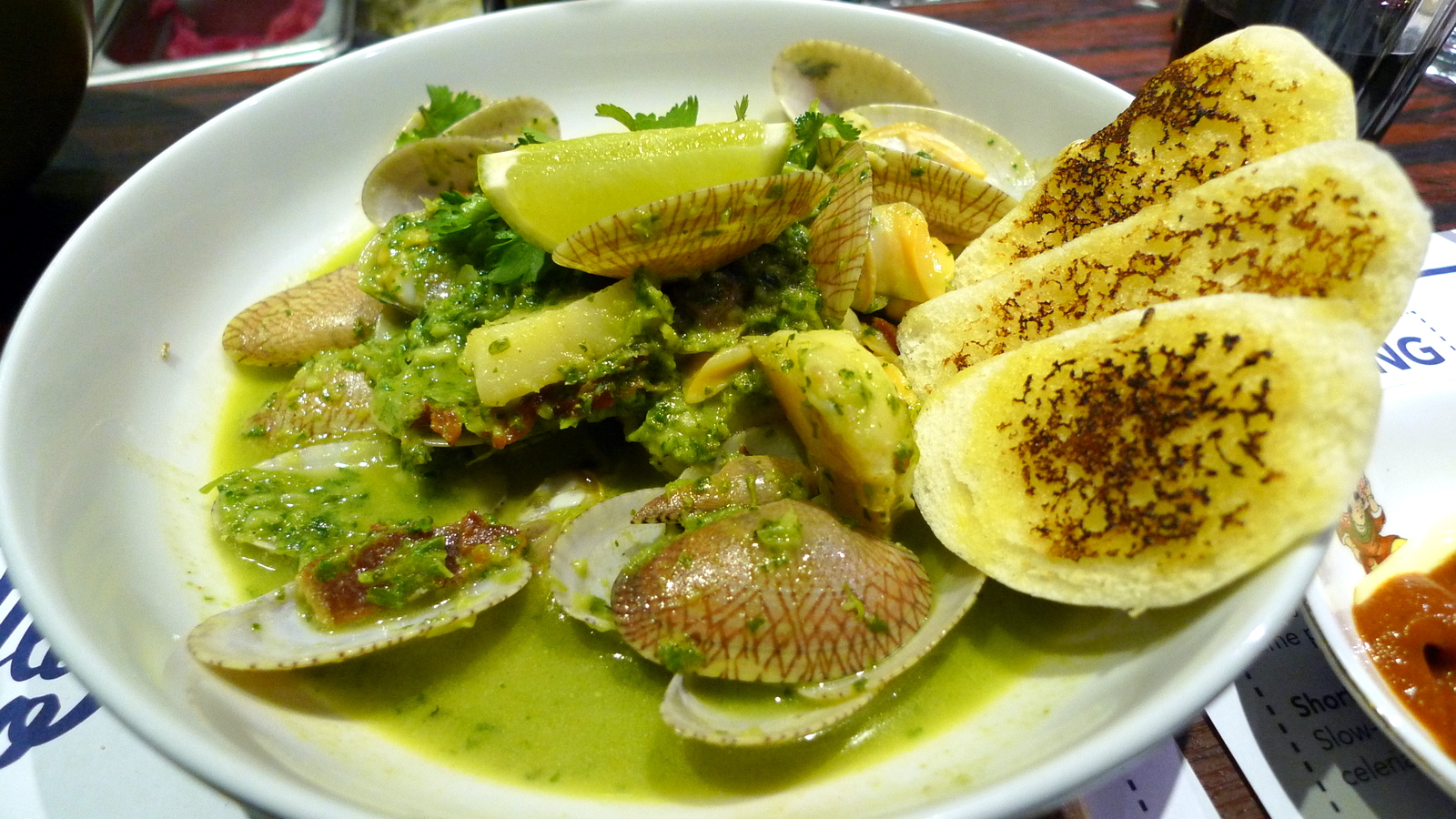
The next dish was clams with bacon and potato, served in a white pepper miso broth with toasted miso-butter baos. The clams were tender and sweet and the broth was an interesting study in complementary flavors: the umami that comes from the miso and the subtle heat of white pepper.
P1280593

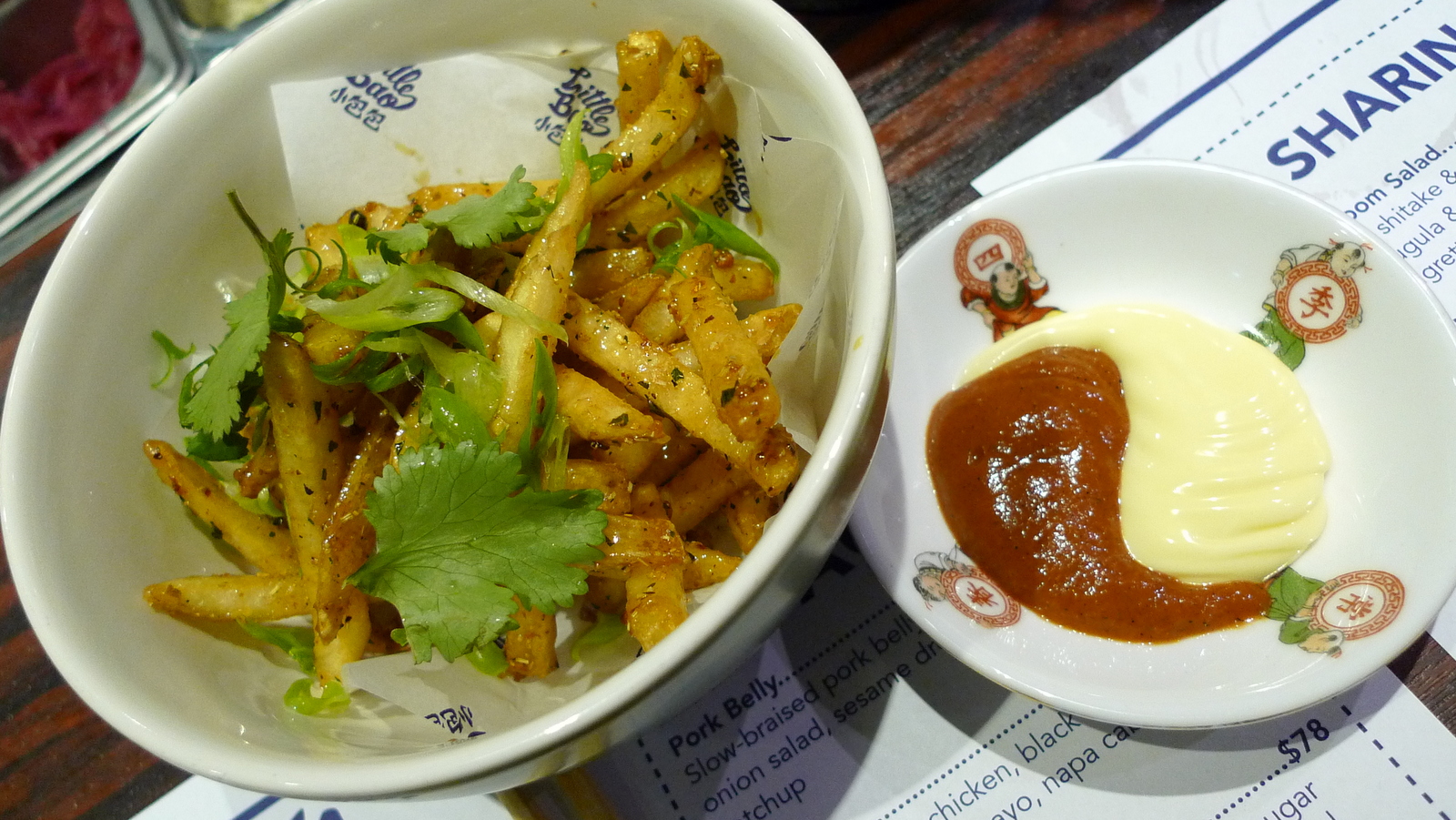
As they had been recommended by many reviewers, we also ordered the LB fries, served with a side of roasted tomato sambal and kewpie mayo. There’s a spray of lime on the fries but there must be something else – cocaine, perhaps? – that makes these batons of fried potatoes so very addictive.
P1280599

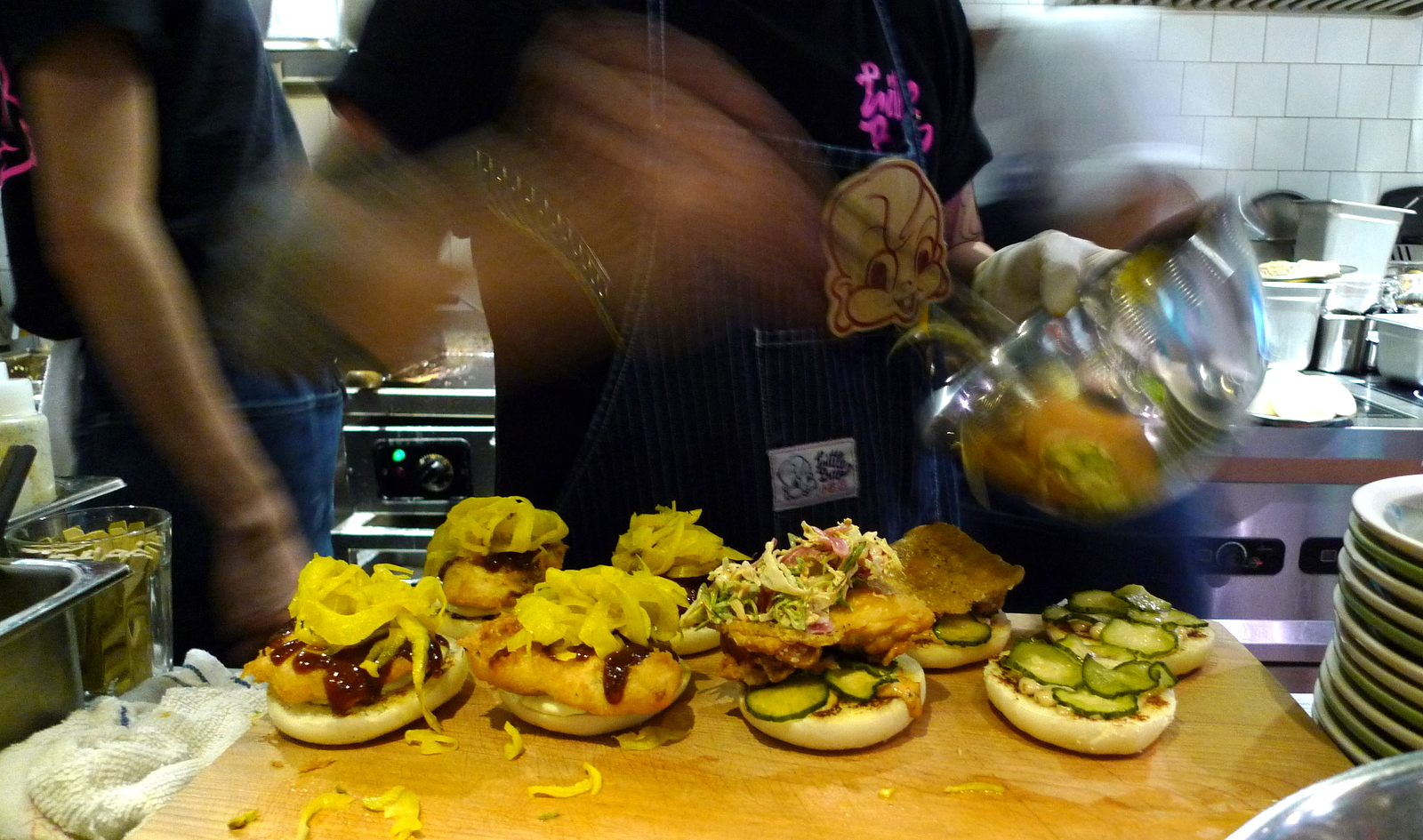
Directly in front of us was the bao preparation station. There are only four bao on the menu plus one special. We ordered all of them except for the regular chicken bao. Each bao was about four to five bites – about the size of a modest (but very vertical) hamburger. I can understand why they have a no-cutting policy: ingredients would fall out and you would lose out on the flavor gestalt of the experience.

Little Bao Baos Small

If I’m not mistaken, from left to right the bao pictures are the fish tempura (with tamarind palm sugar glaze and pickled lemongrass fennel salad), the pork belly (slow braised with leek and shiso red onion salad, sesame dressing, and hoisin ketchup), the Sloppy Chan (Taiwanese braised shitake tempeh, truffle mayo, sweet pickled daikon, and fried shallot), the pork belly again, and the special of the day, a spicy fried chicken bao.

P1280602

In the interest of giving you a closer look, here is the special, the spicy fried chicken with garlic black bean mayo and scallion coleslaw. All of the baos were tasty and they all succeed for the same reason: there aren’t too many ingredients, but enough to make the dish interesting. There are different textures and flavors and the soft but toasted bao bun absorbs some of the sauce so it isn’t just a neutral carrier for the ingredients but very much a part of the dish.

The food, which is excellent, is only a part of what makes Little Bao such a pleasant dining experience. There is a really good energy to the place. Part of this is because it is small and crowded, but in a way that feels intimate instead of cramped. Part of it is because there is great music, but at a volume low enough that you can still hear conversations with fellow diners. But the biggest part of the good energy is that you can tell that the staff seems to really love what they are doing and they enjoy working with each other.

P1280613

From what I’ve read, credit for that goes to the chef May Chow (pictured above). With a Canadian and Hong Kong background by way of the United States, she has built a team that is chosen for attitude rather than experience, treated well, and motivated based on their own interests. (Read more about that here.) I had a chance to chat with her for a few minutes and was very impressed with the way she thinks about food and running a restaurant. Thanks to a quick response to one of my Instagram photos, I also discovered that we have a common chef friend here in Bangkok: Jess Barnes of Opposite Mess Hall. In-depth profile of May at SassyHongKong.com here.
P1280616

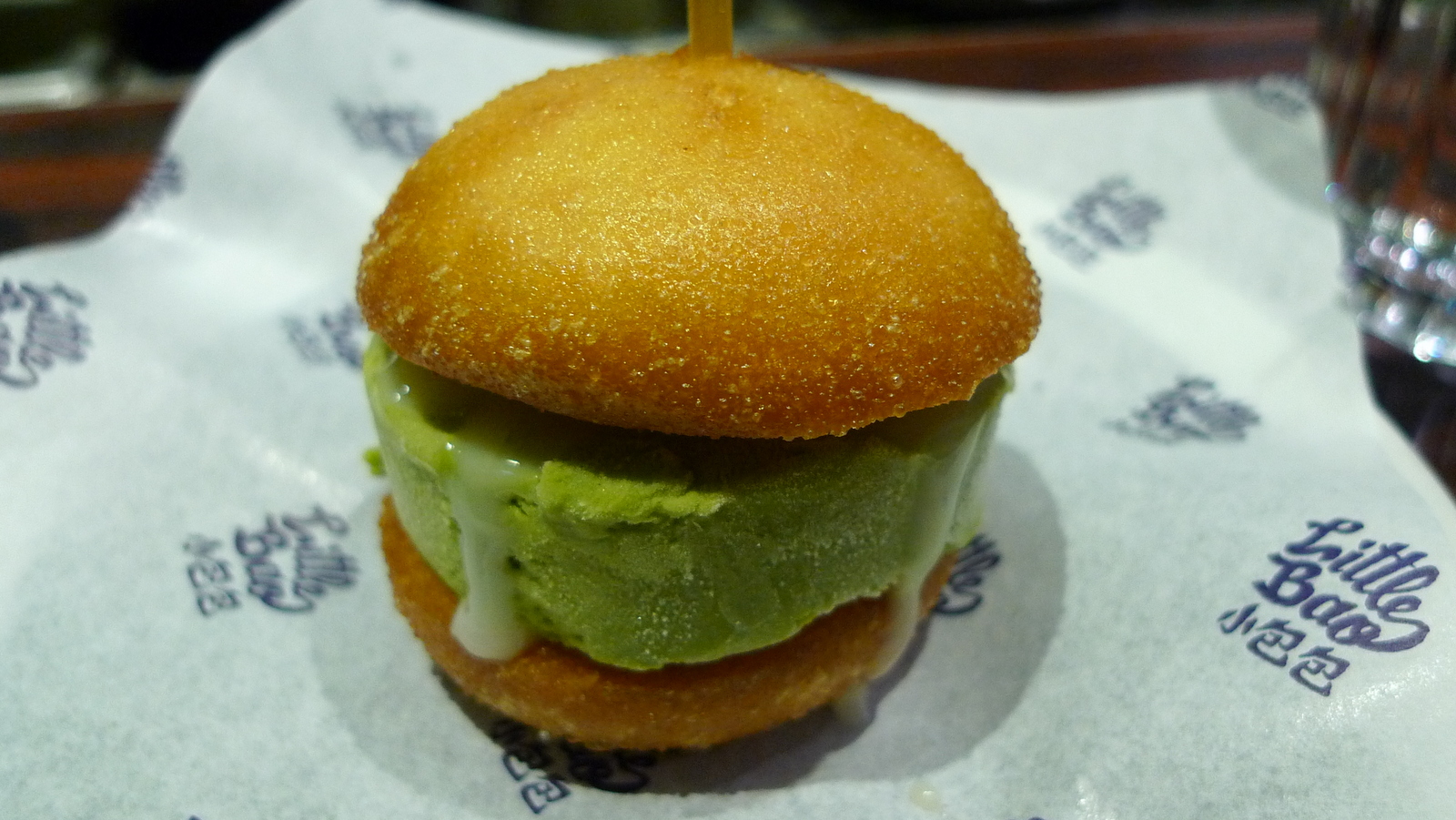
Just as we were reaching that point of satiation, dessert arrived. There is only one dessert on the menu and that’s okay because that one dessert is so perfect, there is no need for anything else! It is an ice cream sandwich made with deep-fried bao, green tea ice cream, and a drizzle of sweetened condensed milk. When I write that it is “so perfect,” I mean that it achieves a spectacular balance of flavors and textures that is satisfying and made for the ideal end to this meal.

You can probably tell that I enjoyed the meal, huh?

Anyhow, if you are in Hong Kong, I would strongly recommend a visit to Little Bao. Come with one or two other people so you can share but not with a large group otherwise you will never get seated. Come prepared to wait a bit – bring a book or go to one of the nearby bars for a drink. Most importantly, come with an appetite, because you’ll need it.
Food in Hong Kong: Peking Garden

The New Year’s trip to Hong Kong included a return visit to Peking Garden, one of the nice restaurants that are part of the Maxim Group. I’ve enjoyed dining there many times over the years and was glad to see that everything is still up to the standards I remembered. As an added bonus, we were joined by an ex-Xangan and his partner, who were still in town.

P.S. – I’m not still in Hong Kong; just takes me a while to get all the pictures posted and entries written!

P1280514

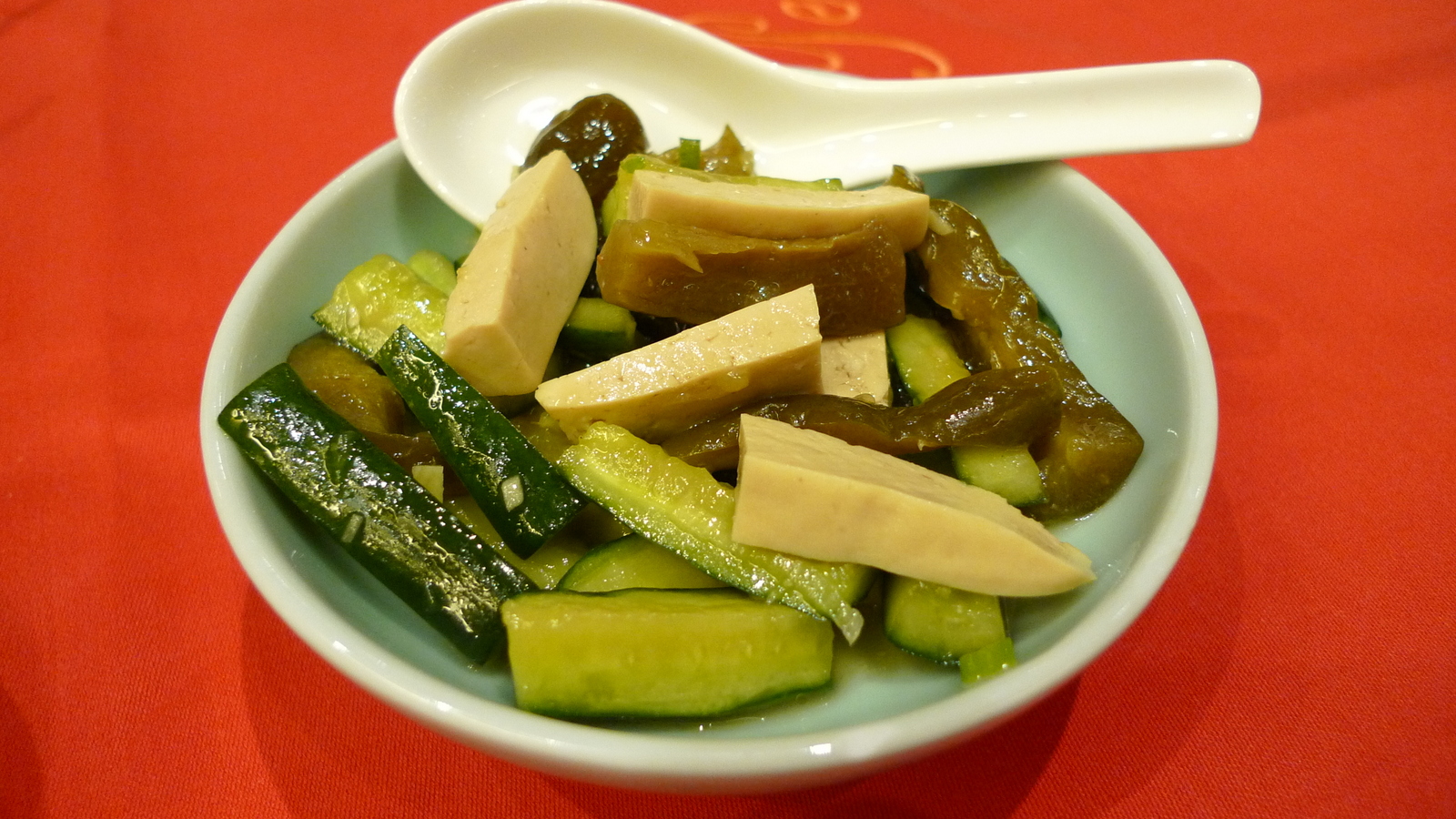
We enjoyed a set lunch for six that worked out to about US$40 per person, if memory serves. May sound expensive for a lunch but as you will see, it was quite a lunch. Plus, the setting and service are very nice. As we arrived, pickled vegetables and tofu were set out for us to munch on as we ordered.

P1280518

The first dish of the set was jellyfish, a traditional Chinese delicacy. For some reason, the menu’s English description of this was “sea blubber,” which of course is as inaccurate as it is unappetizing! If you haven’t had it, the dish is served cold and the texture is slightly crunchy with a pleasant, slightly salty taste. An unusual texture if you haven’t had it but very agreeable.

P1280516

The next dish featured pork spareribs, braised and served in a rich gravy. These were nice and tender so eating them with chopsticks was easy.

P1280521

The next dish was a sweet and spicy prawn dish. You can’t tell the scale from this picture, but these were very generously sized prawns, very fresh and of excellent quality. Normally, prawns in many restaurants are basically just large shrimp. These were genuine prawns and such a pleasure to eat.

P1280526

The star of the meal (and a dish for which the restaurant is famous) was the Peking Duck. It was presented at the table for photos and then taken to a nearby cart where a waiter expertly whittled off the skin into slices. Unlike some restaurants, Peking Garden also includes a layer of meat with the skin, which I very much like.

P1280531

At many restaurants, the meat would be served on a platter along with a stack of pancakes (crepes) and garnishes. Instead, the servers at Peking Garden prepare the pancakes for you, each with some hoisin sauce, cucumbers, green onions, and a piece of the crispy-juicy-fatty duck skin. Little packets of heaven! Notice the gorgeous tableware, too.

P1280533

The final main dish was fried white fish in a sweet and sour sauce. The fish was also very fresh and of good quality. Just a pleasant was to wind down the meal.

P1280535

Some stir-fried greens provided some needed roughage!

P1280538

And dessert was a simple plate of fresh fruit. In general, Chinese meals don’t tend to have a lot of dessert. If not fruit, it is a simple dish that is usually not super sweet. Big chocolate lava cake would be out of place. Something that I really appreciate about Chinese food is its ability to achieve such nice balance.

Overall, the meal was a success on all levels: food, service, decor, company, etc. Peking Garden will remain on my to-visit list.

Food in Hong Kong: Shanghai Min

P1280487

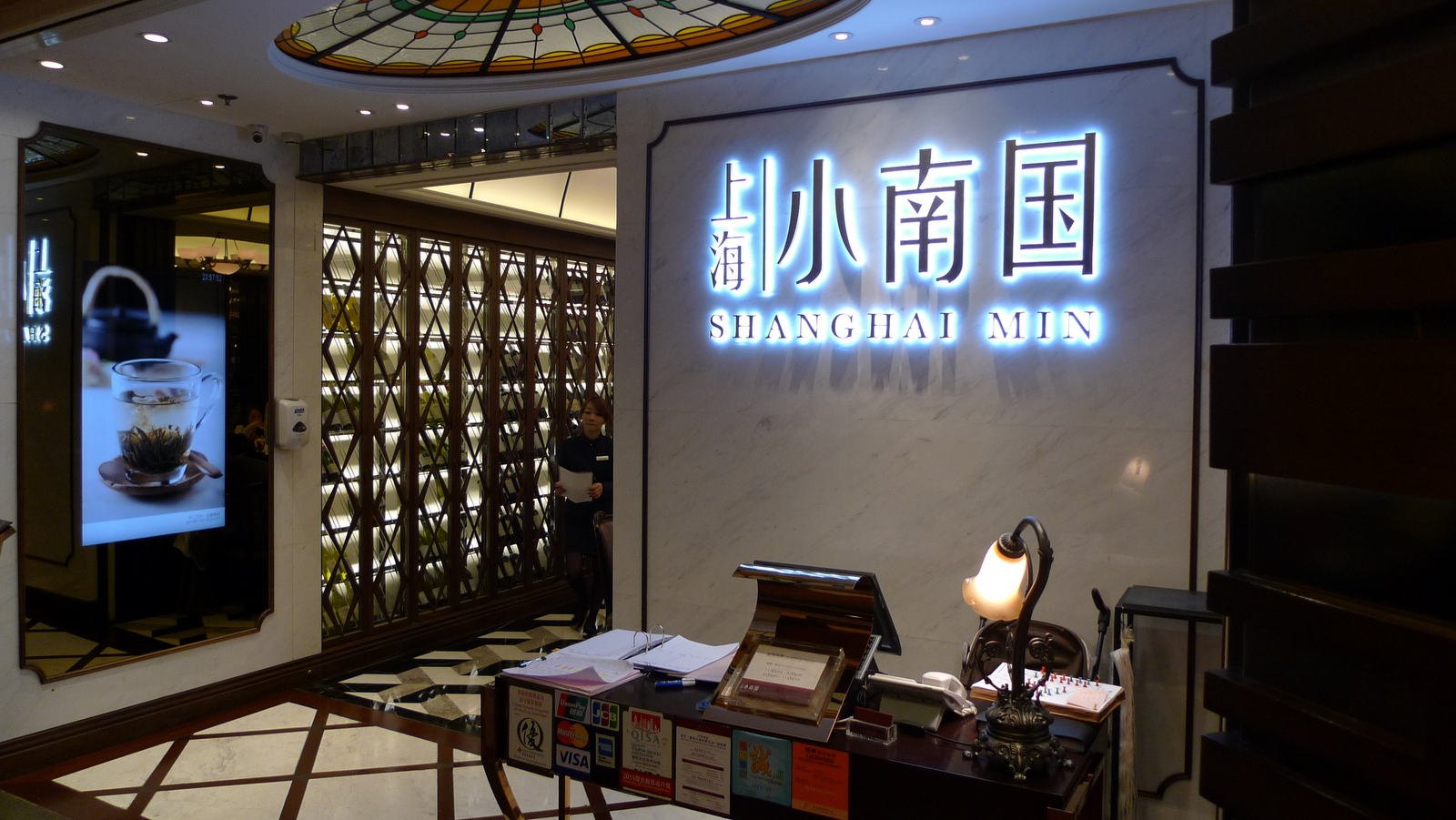
While in Hong Kong, we took a break from Cantonese food to have some Shanghainese cuisine, dining at Shanghai Min on the 11th floor of Times Square.

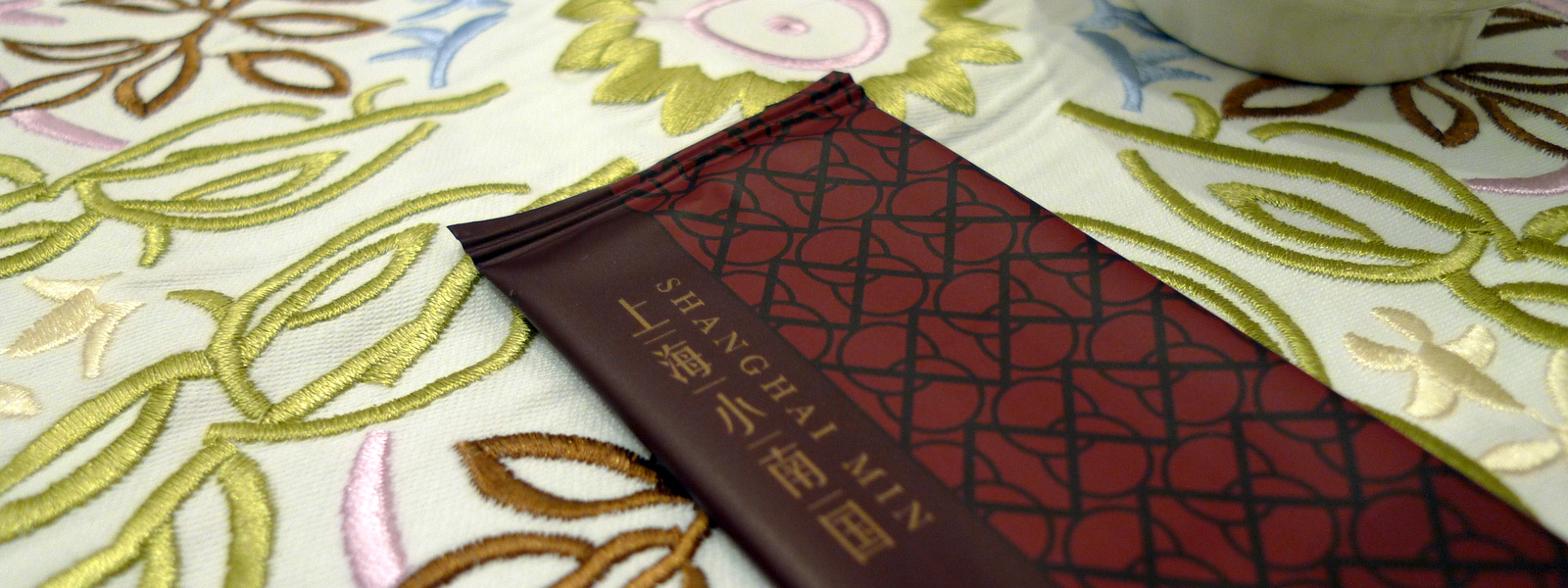
P1280488This beautiful restaurant has a swanky interior with tastefully embroidered tablecloths and elegant decorative touches.

P1280490

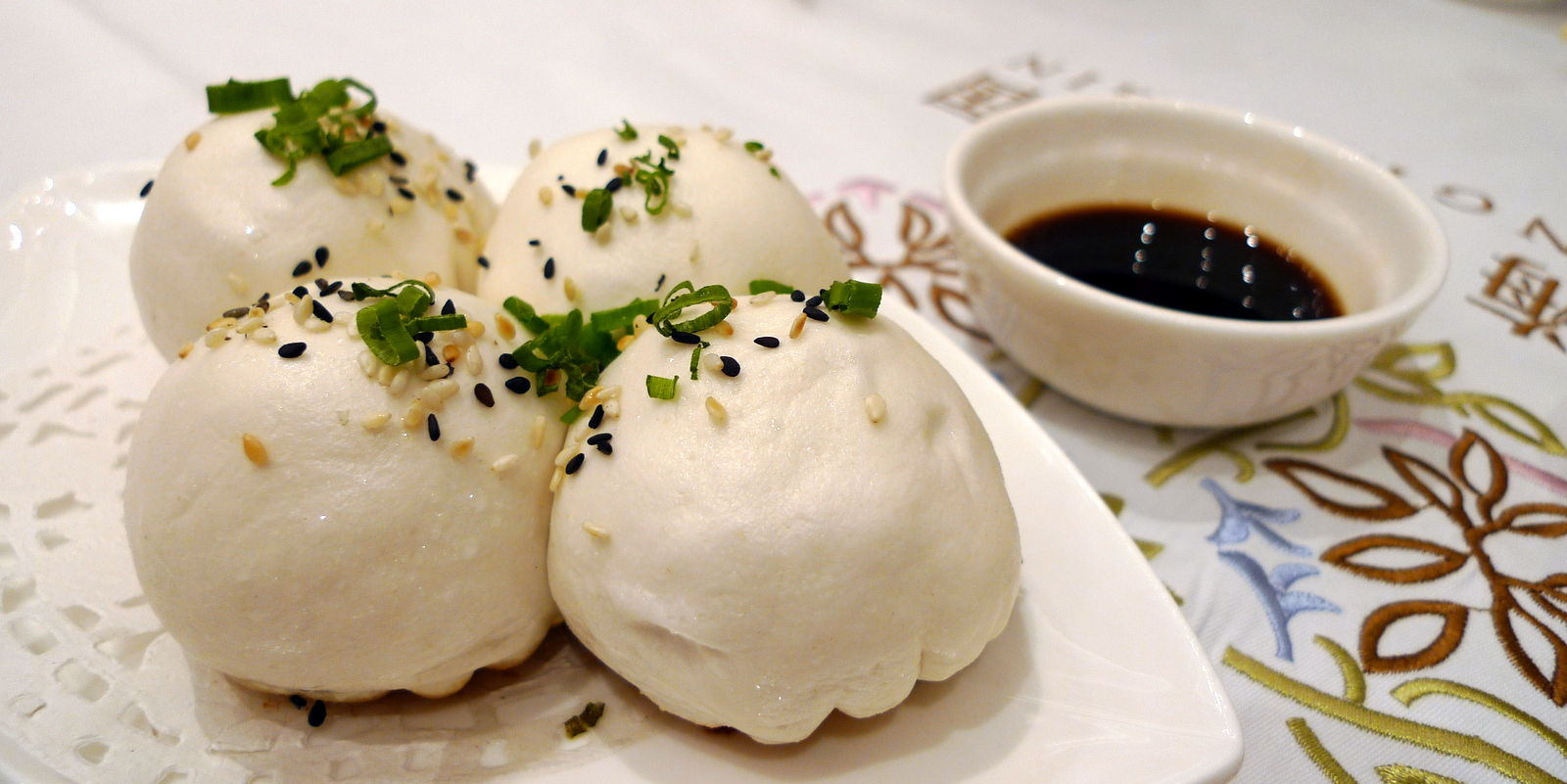
Our meal began with the “signature pan-fried crispy pork soup buns” or sheng jiang bao. These were good but not quite as good as the ones we had in Shanghai back in November 2012. This version felt like they had been made a bit before and sat for a while – the inside of the dough was a little gummy from the moisture of the filling.

P1280492

Next arrived a crispy scallion sesame cake, a carb fest that was much less heavy than you might imagine.

P1280495

Another classic was the spicy tofu with minced pork. This is almost more of a Hunan style dish, to my mind. It was tasty, though, spicy but not unbearably so.

P1280498

The standout was the “straw-tied pork belly” with Chinese steamed buns. Not only was the pork belly exceedingly tender but the neatly cut squares wrapped with straw (not edible) was pleasing to look at.

P1280504

So nice that it deserves a second shot. If only I had wiped that drip of sauce off the plate before taking the picture!

P1280502

Final dish was an interesting stir fry of small disks made from rice cake (like Japanese mochi) called chao nian gao. It is braised with scallions and pork in a savory sauce.

P1280506

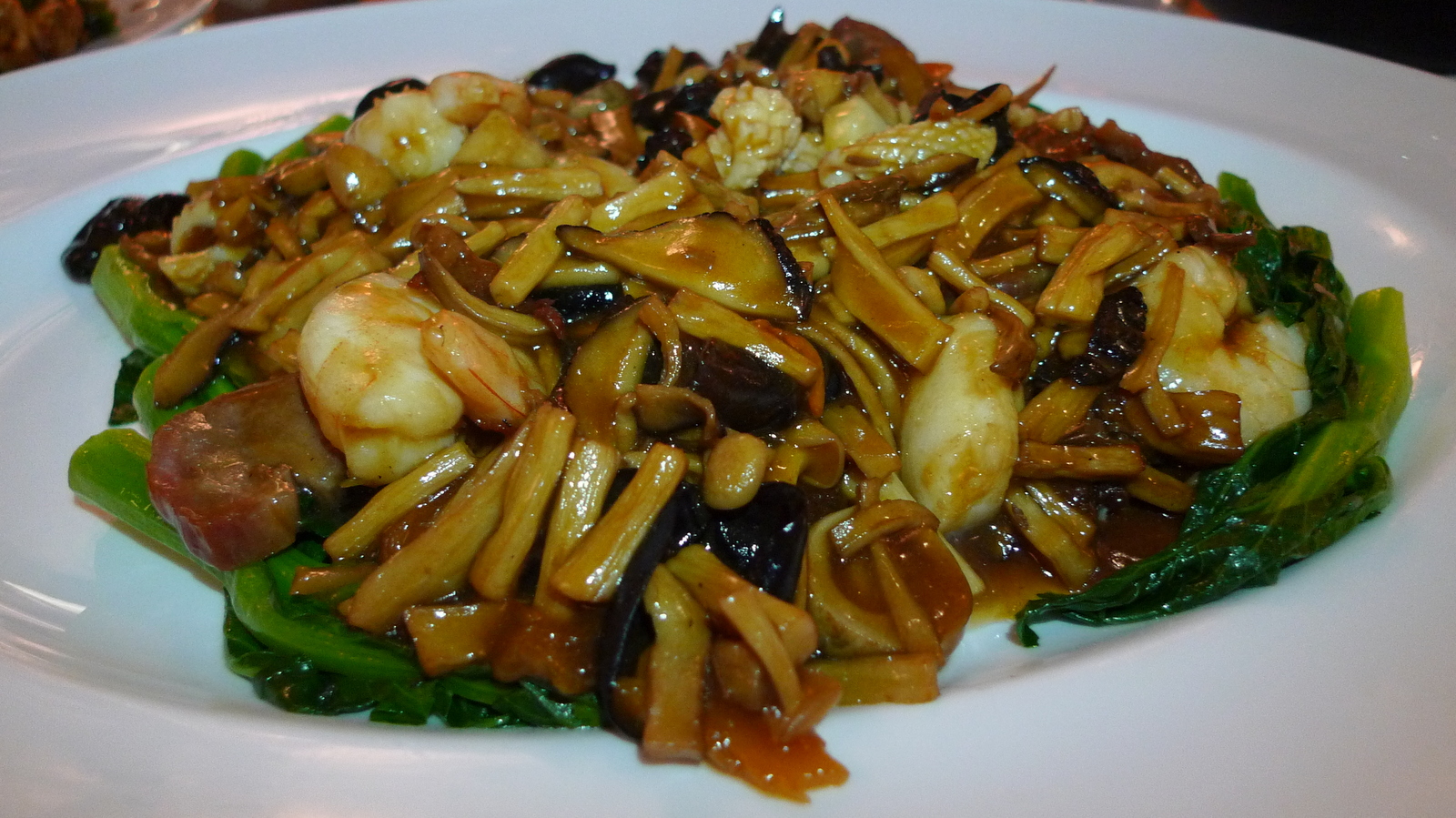
Braised Shanghai cabbage (bok choy, I think) with shredded bean curd sheets and mushrooms. The sheets have the texture of very thin, fresh pasta. A nice clean finish to the meal.

Overall, I was very pleased with Shanghai Min. I first ate there several years ago and it is still every bit as enjoyable. If you are looking for a break from Cantonese cuisine, this is a worthwhile place to visit.

Tim Ho Wan at Olympian 2

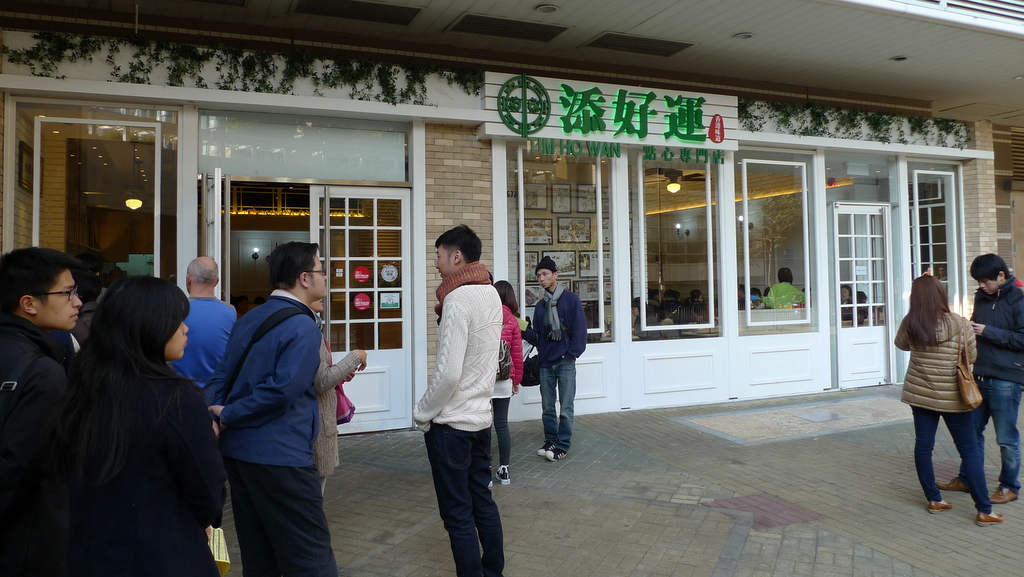
One of my regular stops in Hong Kong is dim sum at Tim Ho Wan. The Michelin star recognized restaurant has opened several branches in the past few years and the original hole-in-the-wall Mongkok branch closed last year due to rent increases. On the most recent visit, we dined at the newest Tim Ho Wan branch at the Olympian 2 complex in Kowloon.

P1280485

The new location is a bit of a challenge to find, as it is an exterior restaurant and so you enter the interior of the mall from the MTR system and then have to find your way outside and around the building. Not too difficult, though.

P1280458

The interior of this branch is larger and brighter than any of the others, which means that the wait (which can be an hour or more at some locations like the Airport Express station at IFC) is much more reasonable. The four of us were seated in about fifteen minutes. The other benefit of the bright lighting is that pictures can much more easily be taken!

Speaking of which…

2014-01-02 04

On the left are steamed pork spareribs with black bean sauce. On the right are steamed beancurd skin rolls filled with meat and vegetables.

2014-01-02 01

On the left is steamed rice with chicken and Chinese sausage. On the right are pan-fried daikon radish cakes.

2014-01-02 02

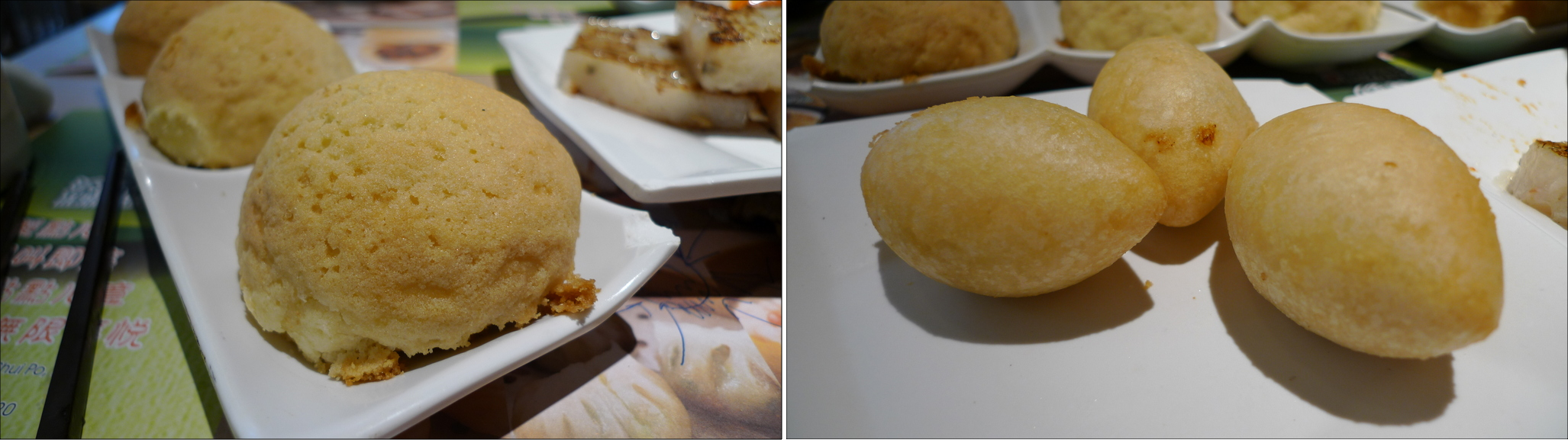
On the left are the famous baked buns with barbecue pork – these I could eat several orders of. On the right are deep fried glutinous rice dumplings filled with minced meat. Hard to tell from the outside but both were filled with lots of delicious food.

2014-01-02 03

On the left is an interesting dish: quail eggs in dumpling wrappers! On the right is glutinous rice wrapped in a typical “bao” bread and steamed.

I didn’t take pictures of everything because dim sum just doesn’t photograph all that well. But we found the food to still be of a very high quality both in terms of ingredients and preparation. Dishes arrived quickly and service was efficient, if not particularly friendly.

In the future, this is the location I’ll return to for great dim sum while in Hong Kong.

Xanga Meet Up Dinner at Island Tang

Over the new year’s holiday we were in Hong Kong, in part to take part in the second annual Xanga meet-up or, more accurately, the Xanga alumni meet-up. This year’s group was roughly the same as last year’s and once again a nice venue was chosen for dinner: Island Tang.
P1280378

Island Tang’s owner is Sir David Tang (of the Shanghai Tang retail brand) whose restaurants include China Club, which I wrote about two days ago. The interior of the restaurant is every bit as elegant as China Club but many degrees subtler. As Time Out Hong Kong described it, Island Tang is Hong Kong of the 1940s compared to China Club’s Shanghai of the 1920s.

P1280396

In fact, it isn’t too much to describe the space as gorgeous. There was tremendous attention to detail in everything from decor to menu design to place settings. It felt elegant from the very start.

P1280369

The menu is primarily Cantonese food. The pictures here are a selection of what we ordered, although not everything. Above is the wok-fried jumbo garoupa fillets with Hangzhou pepper, garlic, and preserved black beans. Tasty dish although the fish was a bit overwhelmed by all the other flavors.

P1280371

A traditional braised duck with “eight treasures” – additional ingredients which can vary by recipe but in this case included shrimp, scallops, and mushrooms among other things. Very tasty dish.

P1280372

We tried several different soups, most of which were similar to what I showed from China Club. One unique offering was a casserole boiled bean curd (tofu) stuffed with minced pork and mushroom. This was a very nice, subtle dish.

P1280374

One of the non-Cantonese dishes, a very tasty pan-fried Welsh lamb belly seasons with cumin. The skin was crispy, the fat was properly rendered, and the cumin gave it an earthy flavor that was delightful.

P1280376

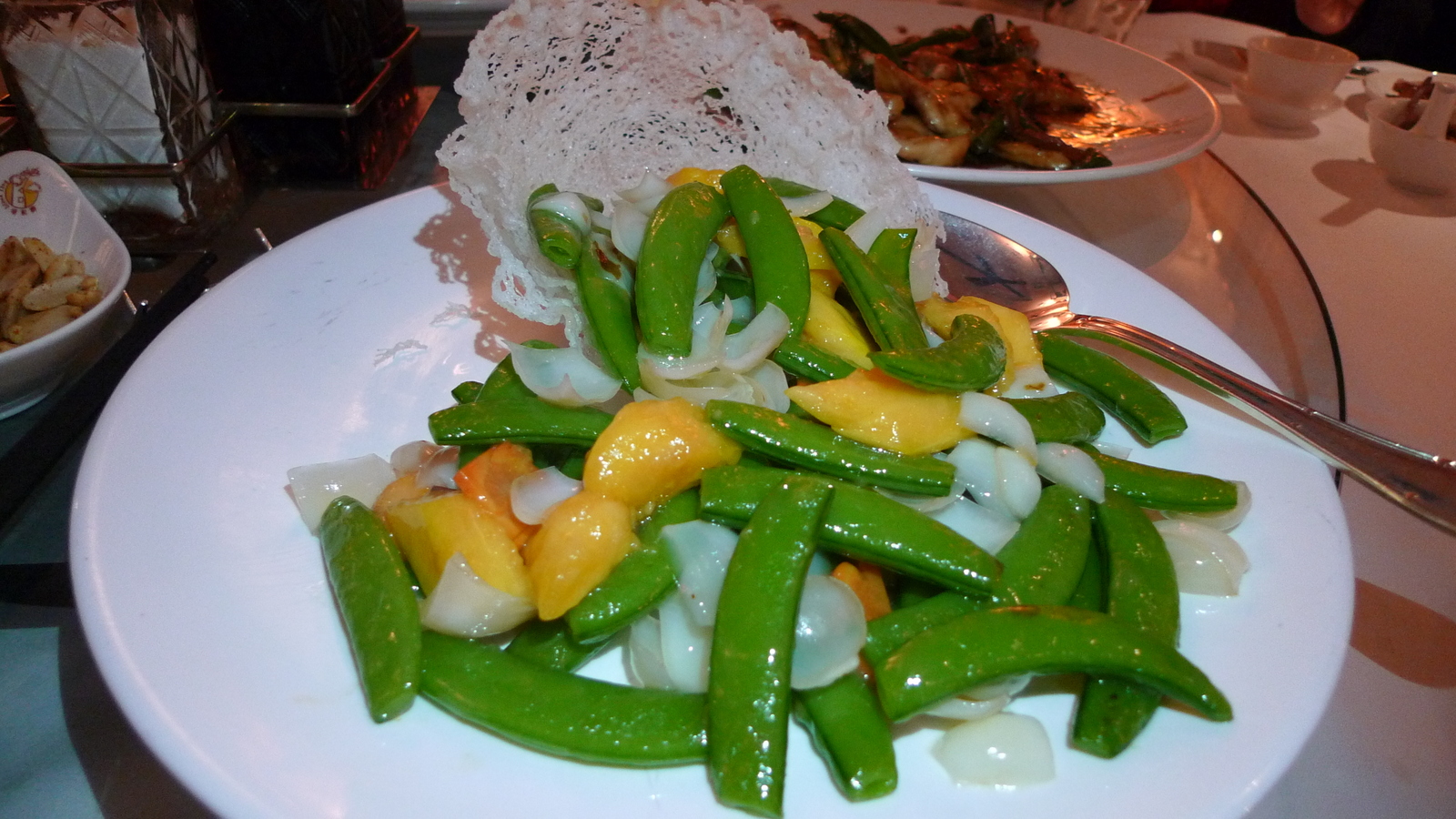
Quite an interesting dish was the wok-fried papaya with honey bean and fresh lily bulb. Most of the time in Thai cooking, we use green papaya, so I was caught a bit off guard to find ripe papaya used in this stir-fry. The most interesting ingredient was the lily bulb, something I don’t think I’ve had before. The combination was light and flavorful.

P1280377

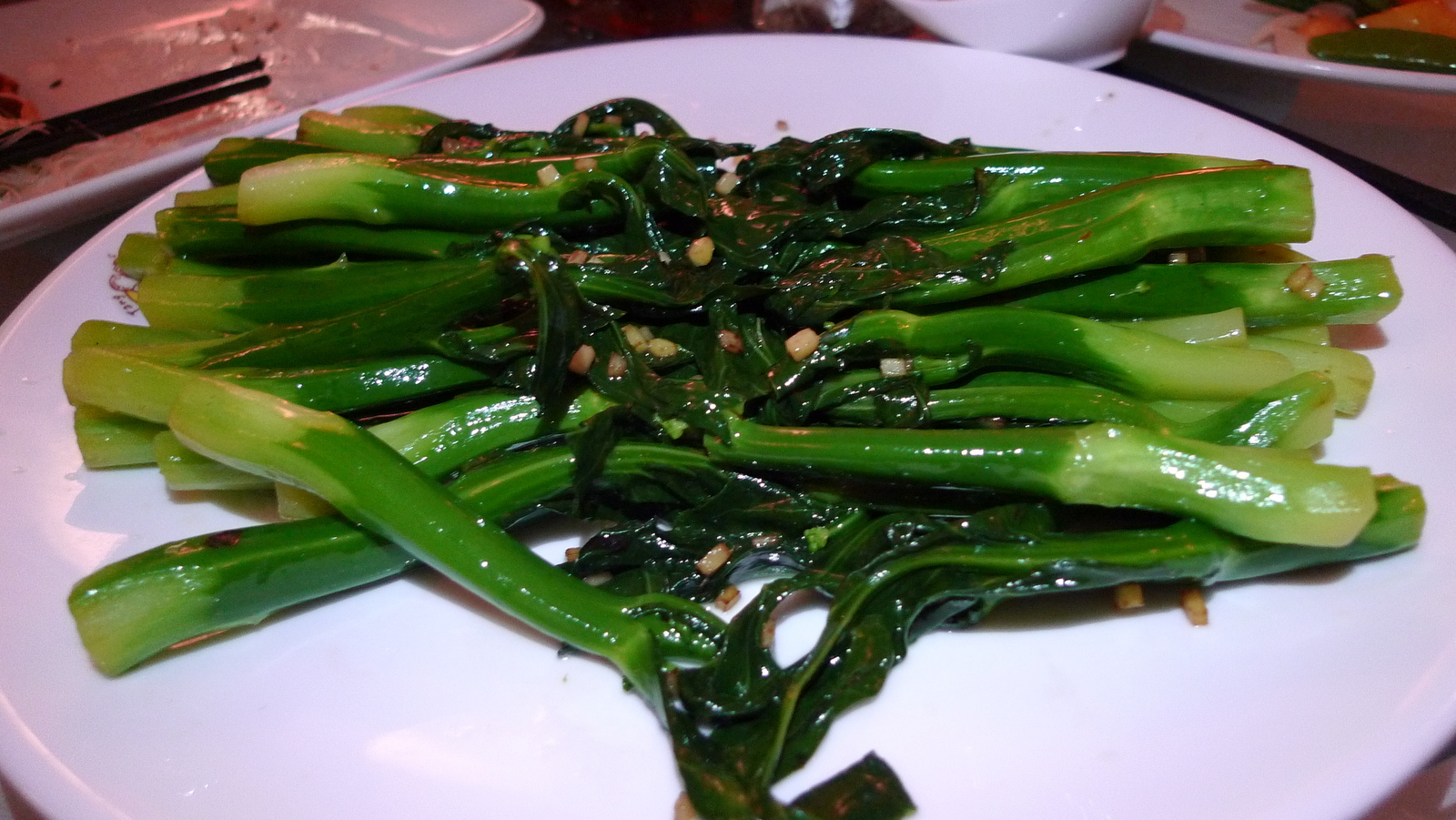
For some more vegetables, we had wok-fried kale with crushed ginger and rice wine. A simple dish, well executed.

P1280385

We ordered a variety of chilled, pudding-like deserts that were tasty but did not photograph well. The only item I did photograph were these glutinous rice and sesame balls, which thankfully weren’t as oily as I had expected.

P1280380

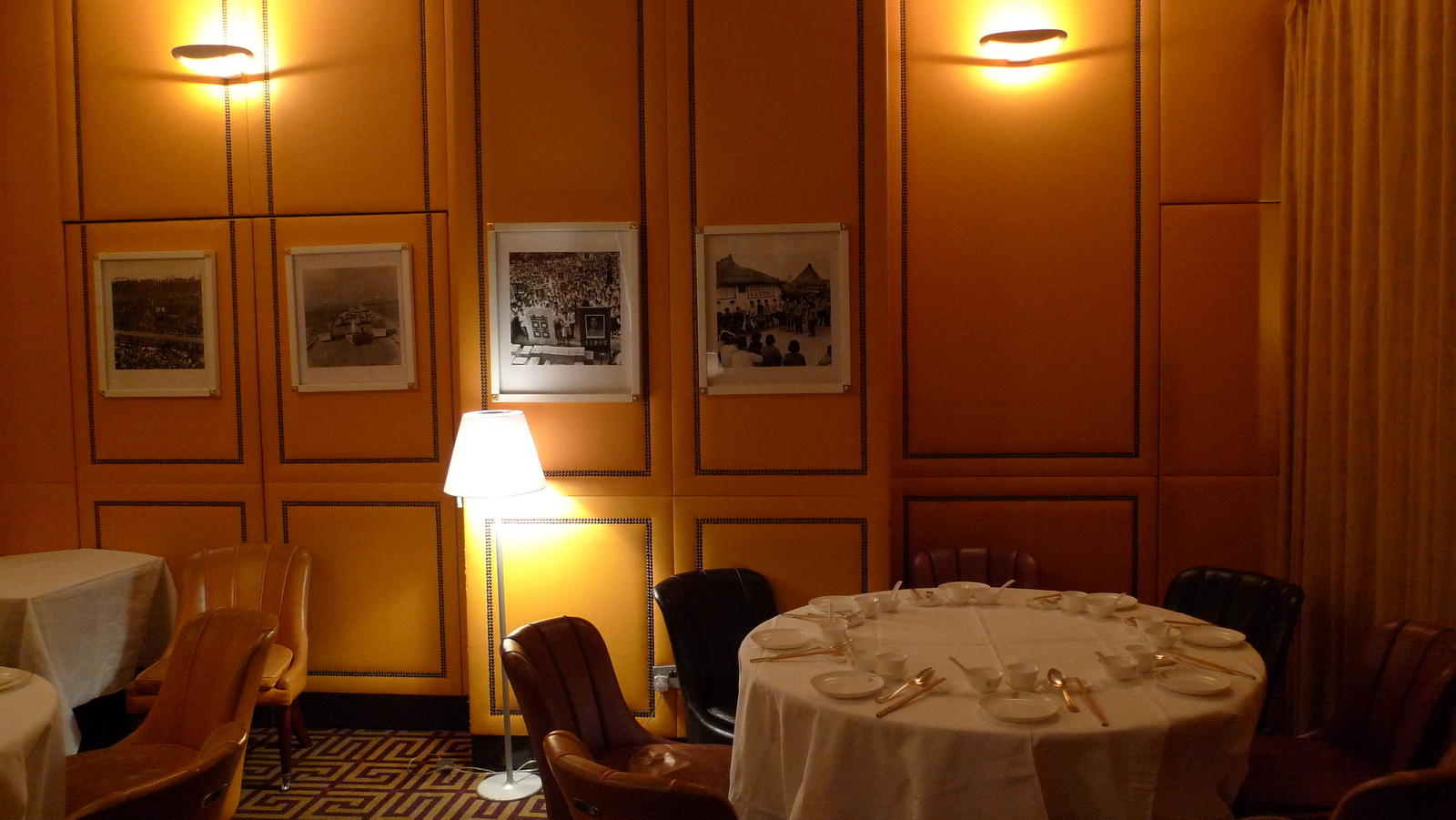
A final shot of the dining room. We started eating at 8:30 and by the time we left, were pretty much the last diners. These ladies left before us.

2013-12-30 5

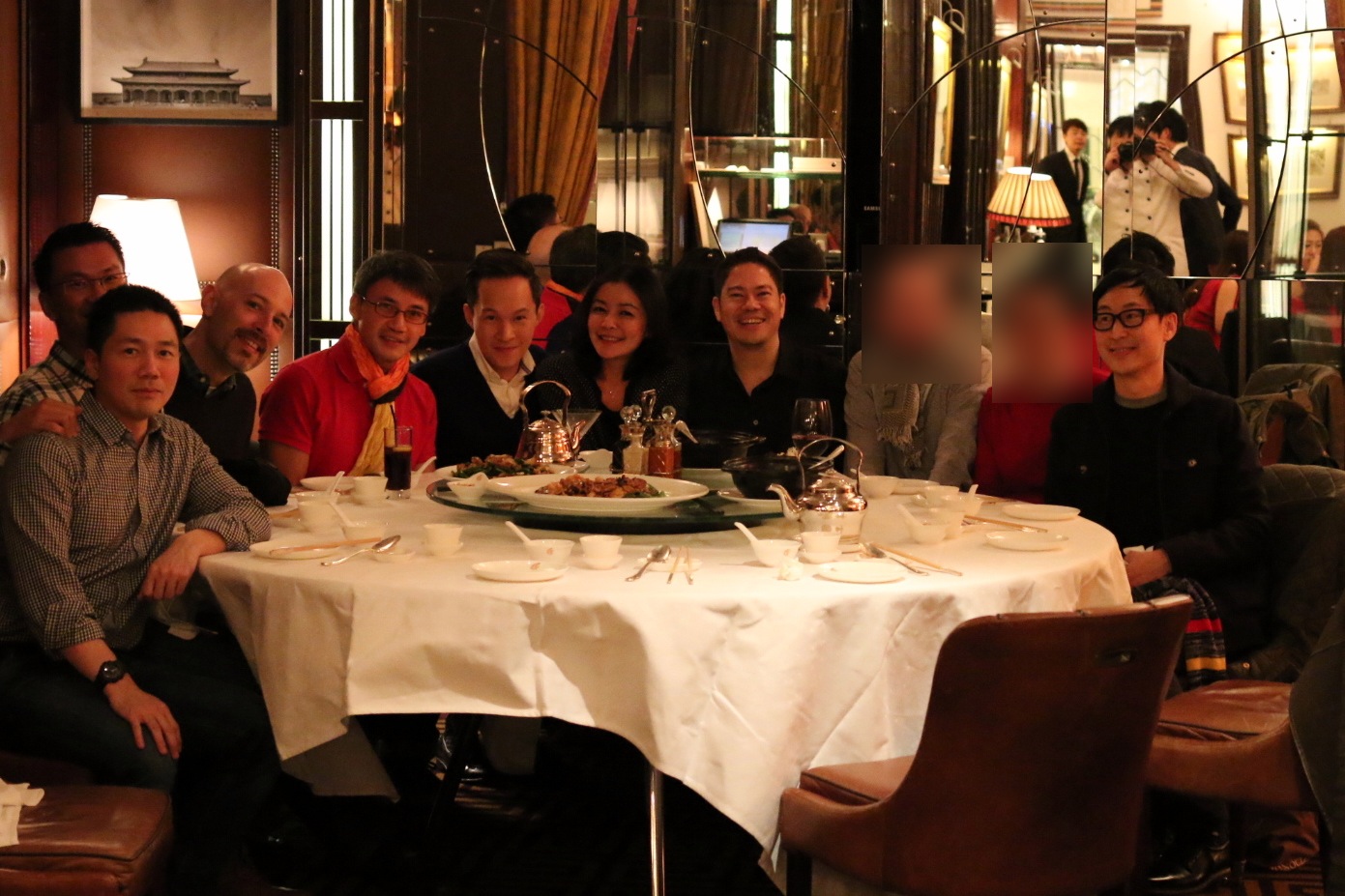
The obligatory shot of the current and former Xangans plus four non-blogger guests. Will let you figure out who is who.

New Year’s Eve at China Club in Hong Kong

New Year’s Eve was spent at the China Club, a retro-chic private club in Hong Kong, for music from the early 1900s, atmosphere from all over the place, and food that was mostly Cantonese.

P1280412

Tawn and I dressed to the nines. We didn’t realize that the theme for the night was for Great Gastby-ish dress, otherwise we would have worn some vintage crushed velvet dinner jackets. I’m proud that I achieved one of my 2013 resolutions: being able to tie my own bow tie without watching the YouTube video to guide me. Success!

P1280425

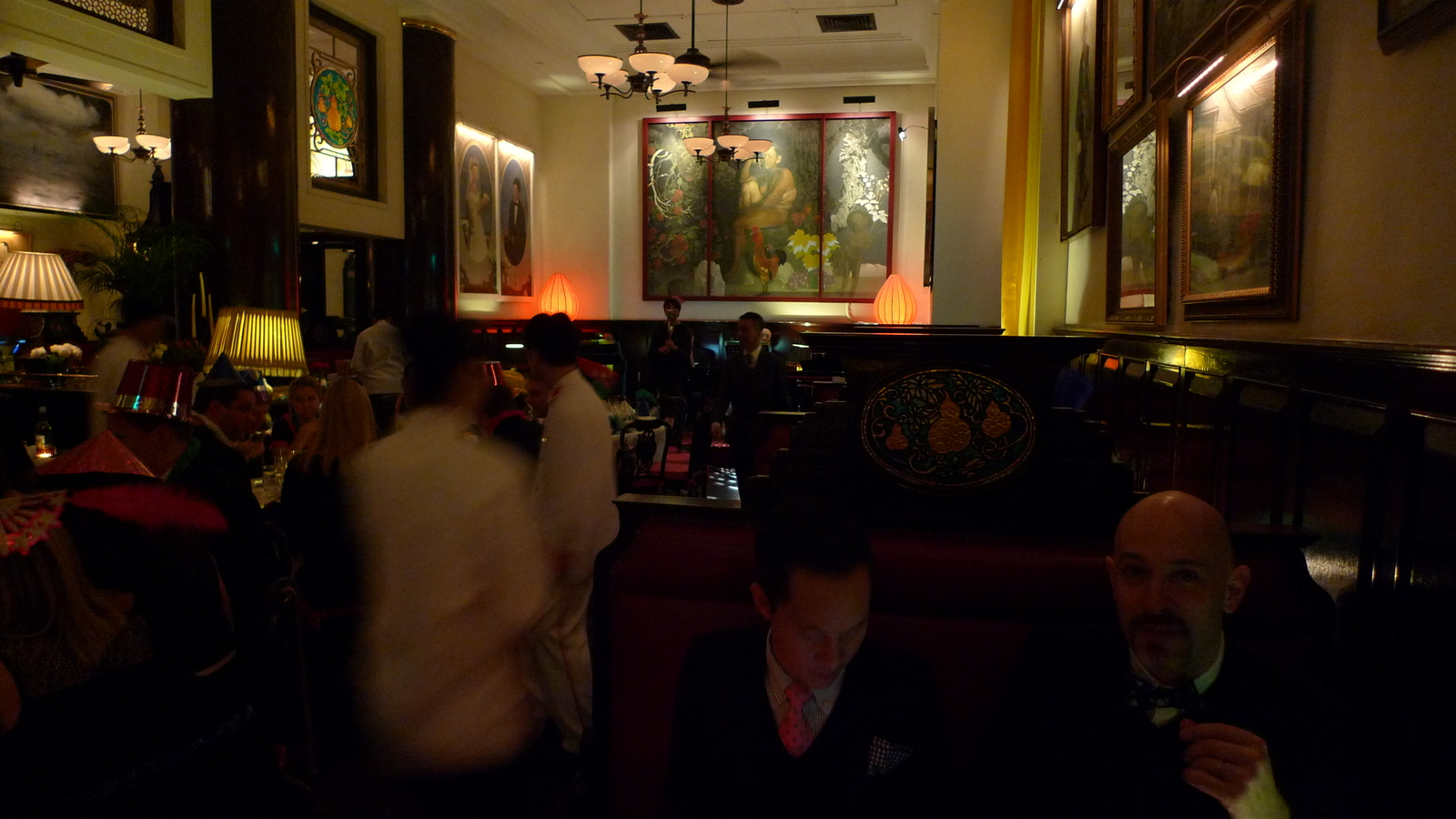
The interior of the club, which occupies the top three floors of the old Bank of China building, has the feel of a Chinese tea house but with loads of contemporary art on the walls. It was a happening place with lots of young professionals crowding the tables. Someone needs to remind these young men that gentlemen do not remove their jackets at the dinner table.

P1280427

The menu is mostly Chinese, with an emphasis on Cantonese cuisine, the style indigenous to Hong Kong. We did order a few variations, though. Appetizers began with these deep fried prawns with foie gras, wrapped in tofu sheets, which featured large, fresh prawn meat.

P1280434

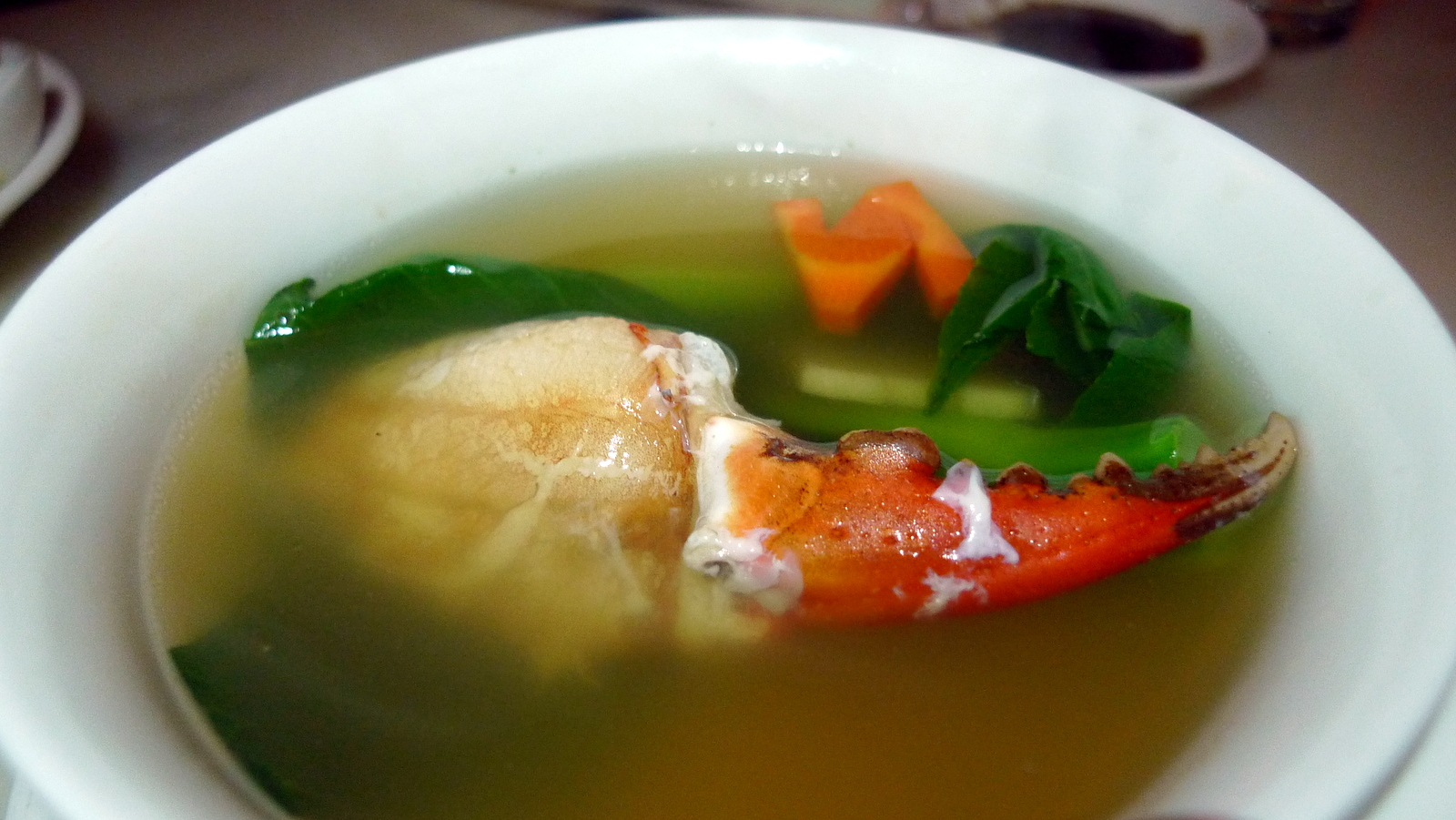
Soups are usually available per-person, that way everyone can order what they want. One of our friends had this crab claw meat (one perfect, unbroken piece) served in a lovely consommé broth with vegetables.

P1280435

The other friend and Tawn both ordered the sweet and sour soup, a classic that was very nicely done. (Yes, I tried a bite of everything!)

P1280436

I tried one of the special soups, which was braised beef brisket in hand-pulled noodles. The brisket was nicely tender and flavorful while the noodles had a pleasant “al dente” texture.

P1280429

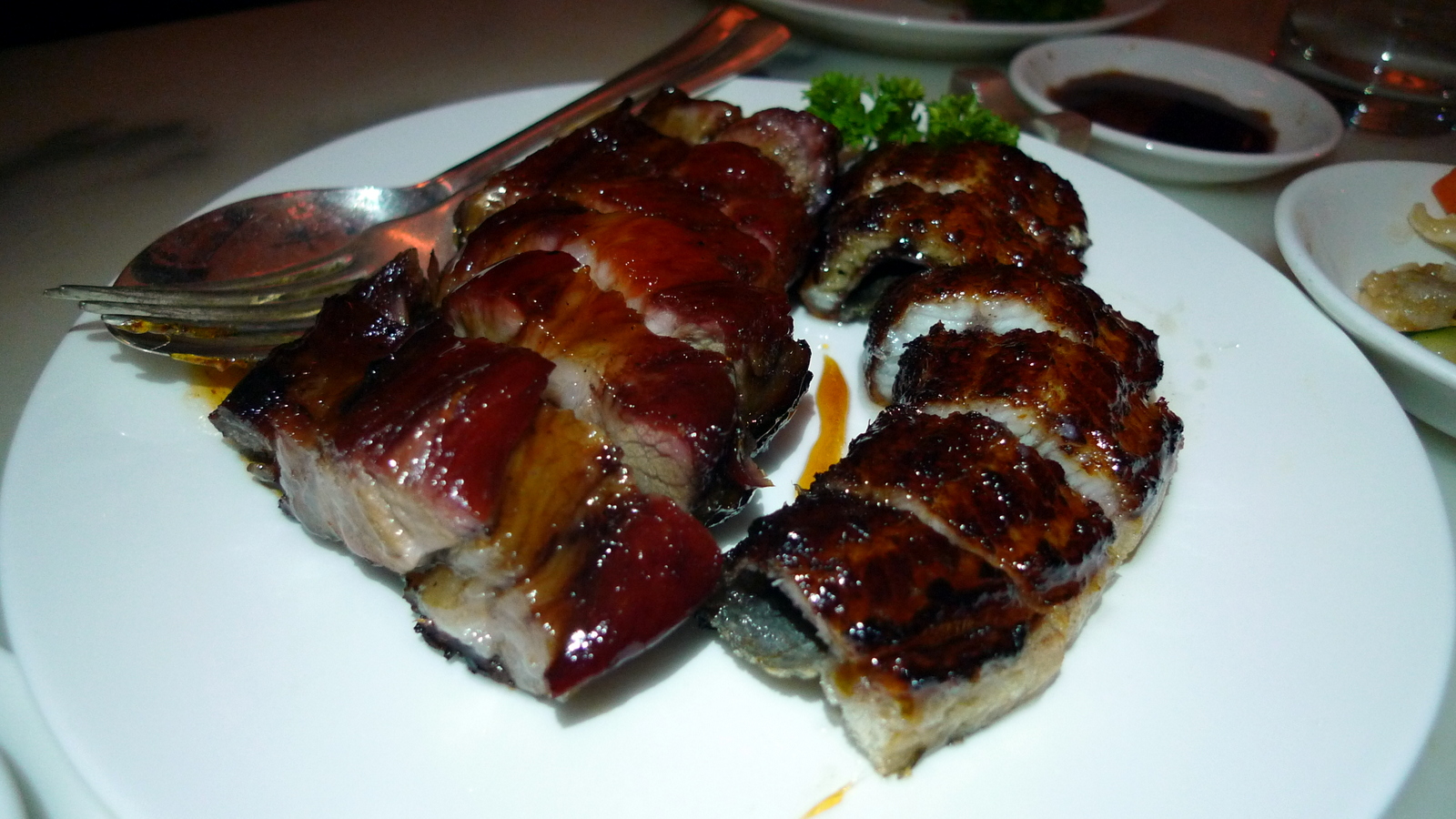
One of the recommended dishes was the charsiu, or roasted, honey-glazed pork belly. This staple of Cantonese cuisine is succulent and, when done well, is the perfect balance of flavors and textures. The chef did a good job with this and another plate would have been welcome

P1280437

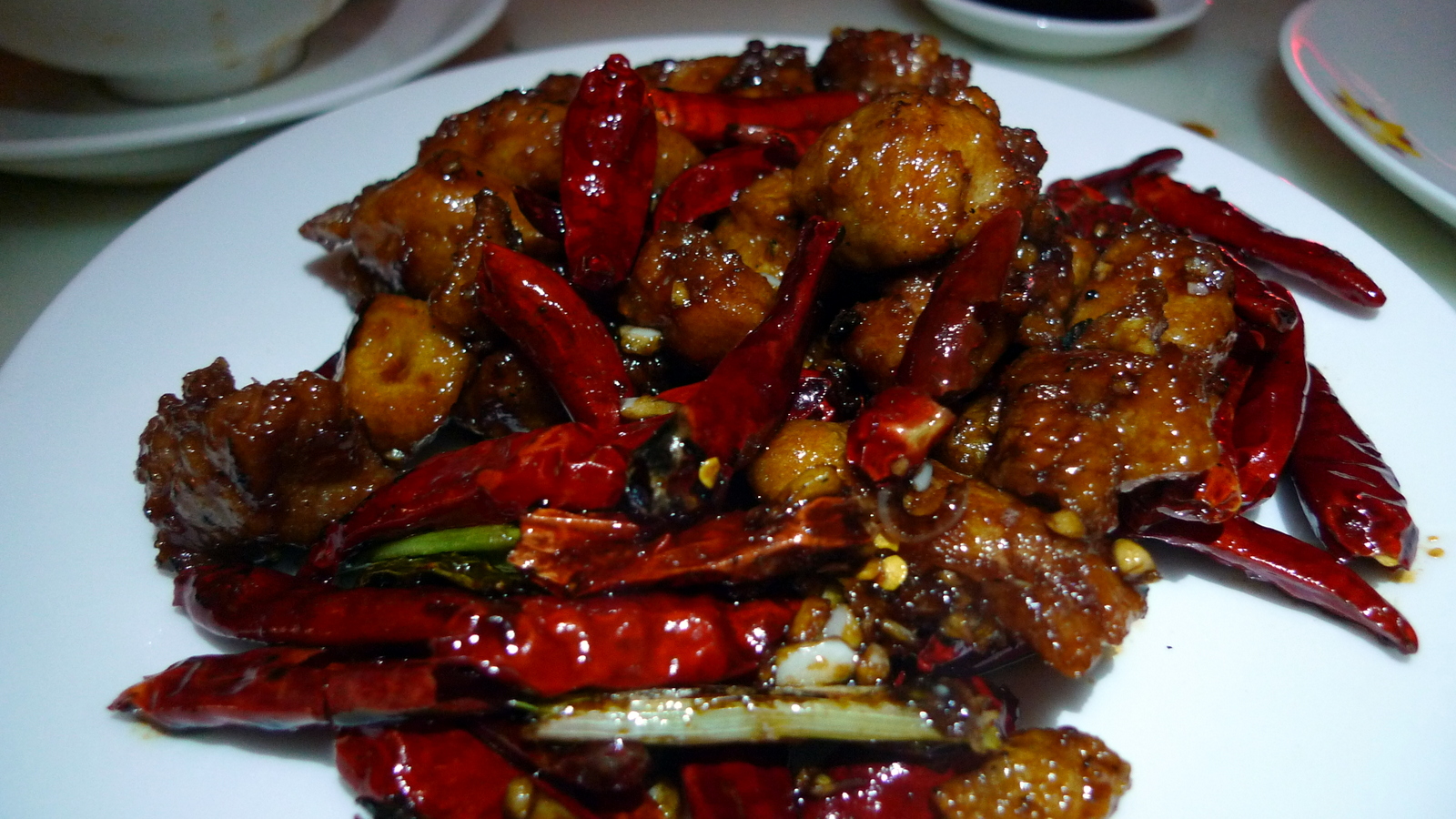
This is a Szechuan style dish: sautéed diced chicken with garlic, star anise, chilies, and spring onion. It isn’t as hot as you might imagine and was one of my favorite dishes.

P1280438

For variety, I ordered another Szechuan dish: dan dan noodles. This dish has a spicy chili sauce made with preserved vegetables and minced pork served over noodles. This particular version had a lot more sauce than usual and the sauce had less of the tongue-numbing Szechuan peppercorns than I have experienced in other versions. Nonetheless, it was enjoyable.

P1280443

Sautéed lotus root, sweet peas, water chestnuts, and various fungi served in a nest made from deep fried taro root. This was a wonderful example of the clean flavors, simple preparation, and elegant presentation of Cantonese cuisine. Of course, it can also be heavy and oily when poorly done.

P1280444

I ordered this dish as an appetizer and it arrived near the end of the meal. Familiar to people who dine at Vietnamese restaurants, it is chopped shrimp made into a paste, formed around sugar cane, and deep fried. Always tasty.

P1280439

We concluded the meal with some fried rice, this one a mixture of different meats and vegetables. As with most Chinese banquets (although this meal was ordered a la carte), the rice is served last so that you do not fill up on it during the meal.

P1280446

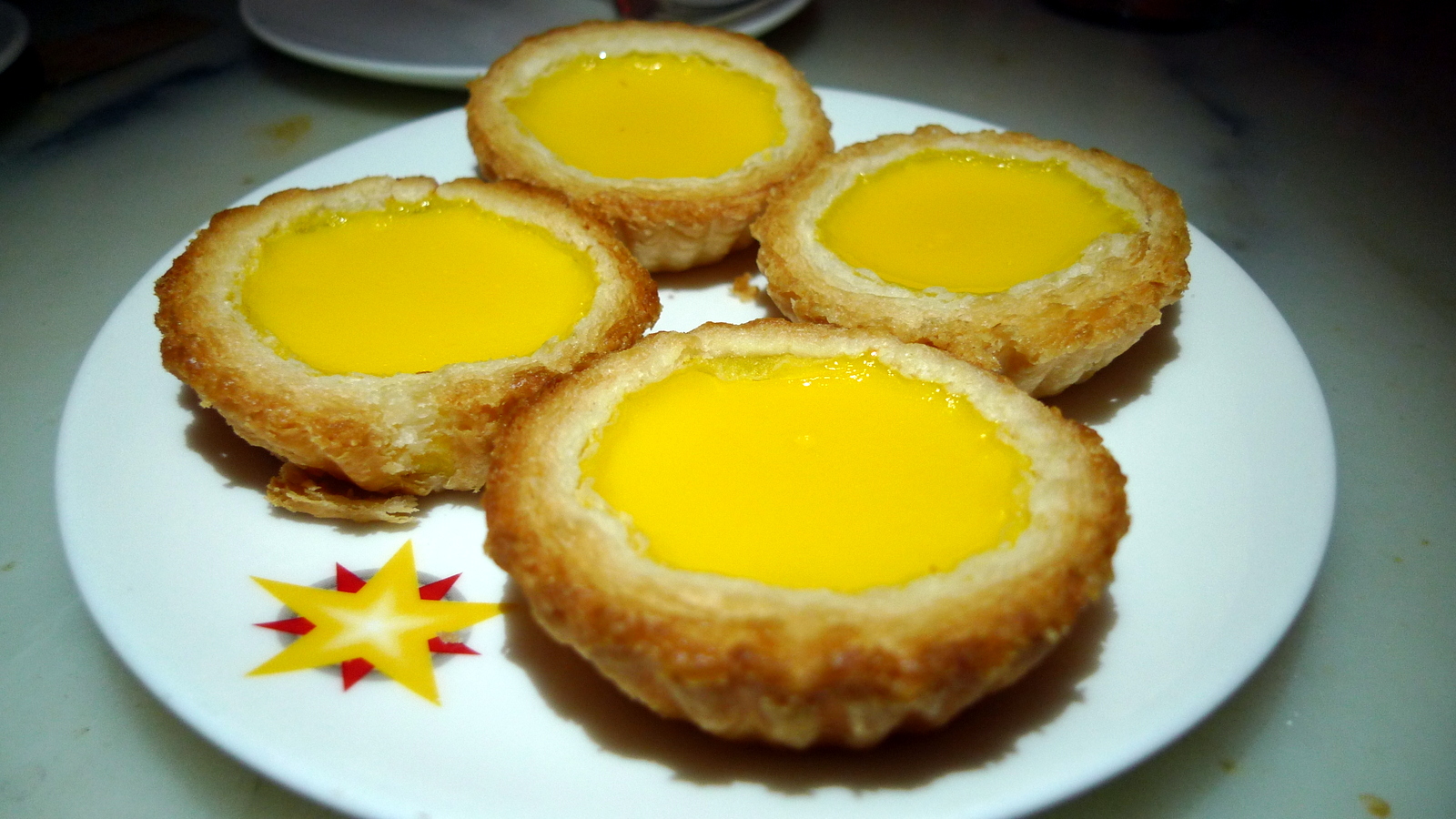
For dessert, we shared a few items that didn’t photograph well plus these lovely egg custard tarts. With a very flakey and not-too-oily crust, the tarts were a nice conclusion to the meal.

P1280445

We also inexplicably received fortune cookies. I say “inexplicably” because these are an American invention and not authentic in the least. To top it off, there seems to be a trend of fortune cookies increasingly reading like “advice” cookies. As one Chinese friend pointed out, the quality of writing must be suffering because the fortunes are now outsourced to a factory in China. Ha!

All in all, China Club was a good meal and a fun place to dine on New Year’s Eve. For more info, here’s their website. Note that the club is members-only so to go, a member needs to make reservations for you.

Hong Kong

Wonderful vacation over the new year in Hong Kong. Will share more upon my return but first a few pictures.

20140102-165552.jpg

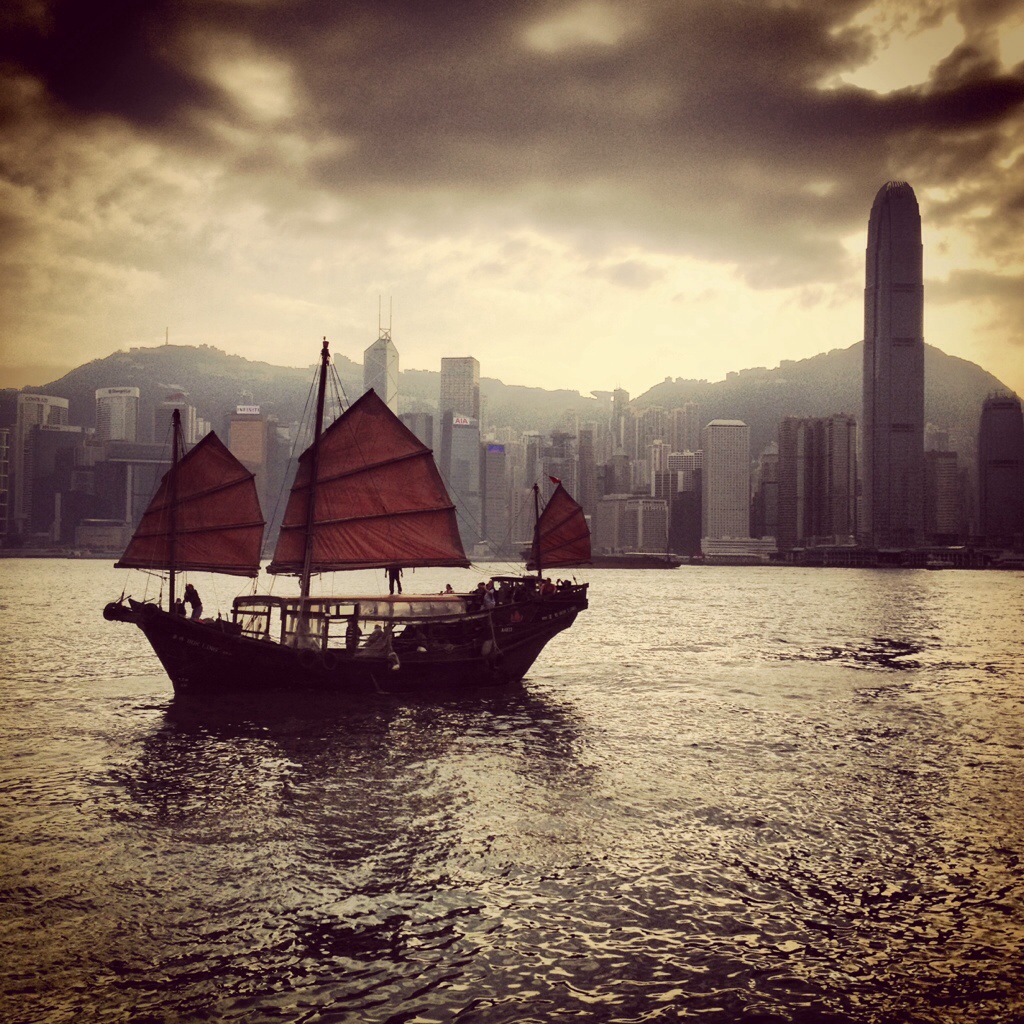
The setting sun over Hong Kong Island as viewed from the Kowloon waterfront.

20140102-165830.jpg

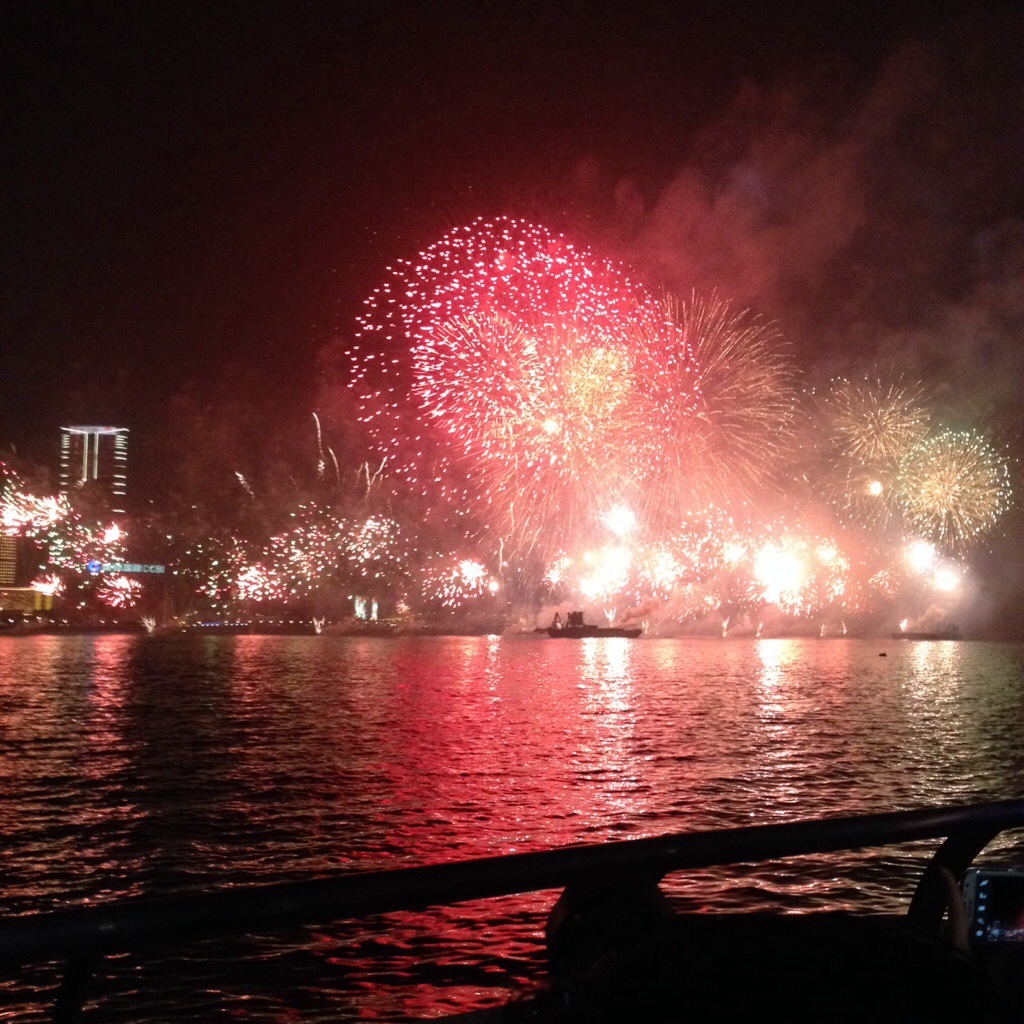
Fireworks as viewed from the waterfront in Wan Chai. Have waited years to see this and it was worth it.
20140102-170227.jpg

And, of course, we ate a lot of great food. Here is some braised pork belly at Shanghai Min in Causeway Bay. Yum. Happy new year to you all!

Christmas in Mae Sot

With just a few days left before I begin my new job, I took the opportunity to join a group of friends from Project LOVE Asia for four nights of volunteering in Mae Sot, a town along the Thai-Myanmar border. Our job was to help bring Christmas to the children at the Heavenly Home orphanage and the young adults at the Love & Care learning center.

Let me share some pictures and some brief notes about the experience.

Day 1

P1040677

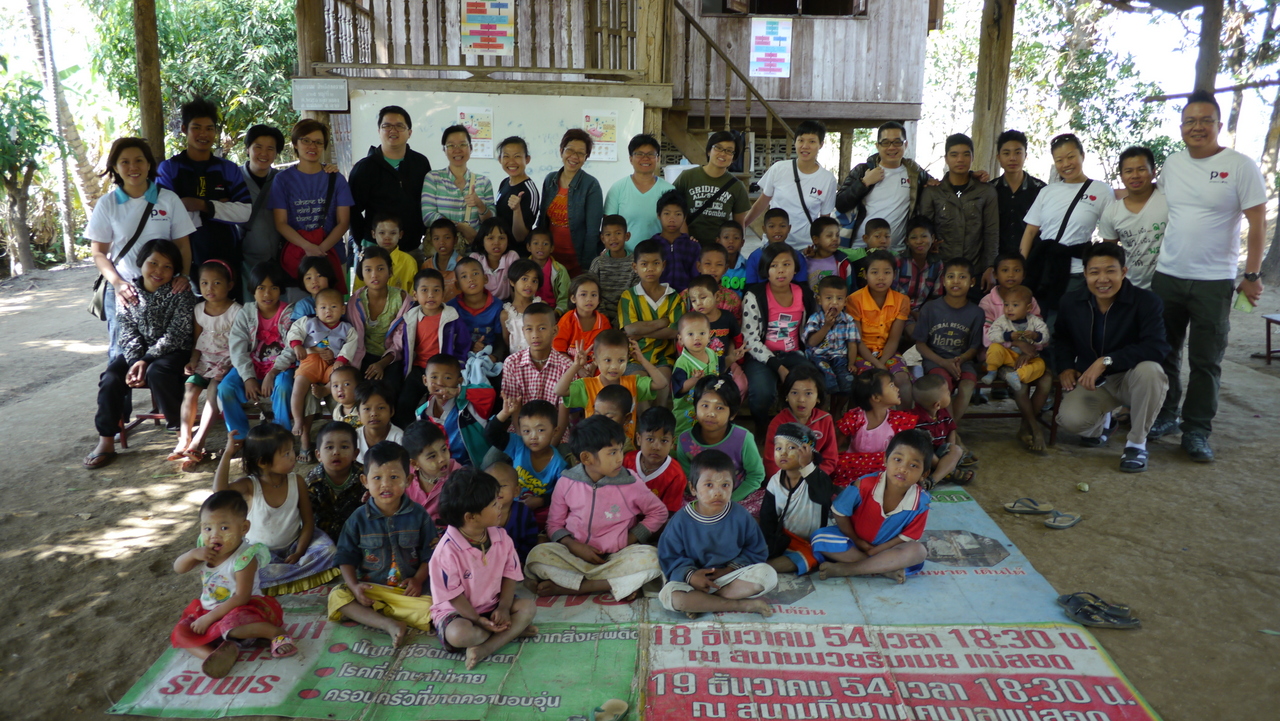
The first day, we went to a “day care” that is run by the orphanage. Located a few miles away in the midst of rice paddies, the structure is just a shack and a broad roof over a packed-dirt floor. Volunteers provide free lunch and basic education for the children of itinerant farmers and laborers four days a week.

P1040611

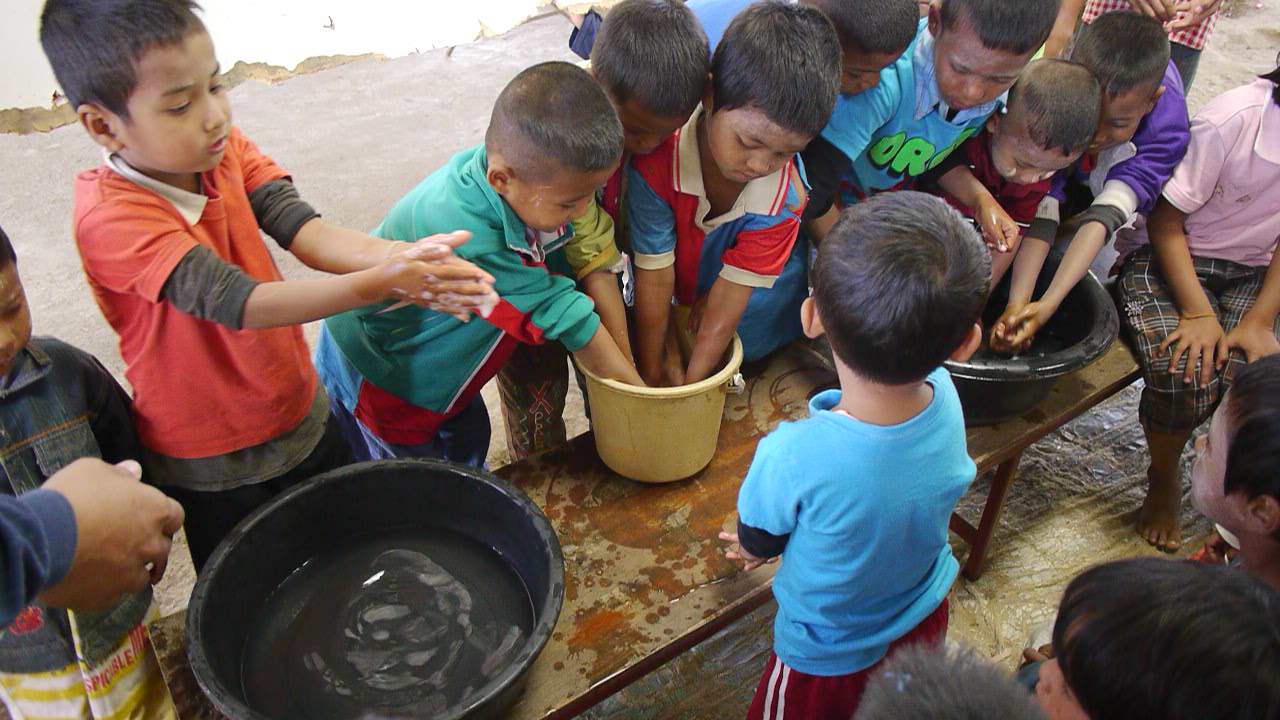
Our group of volunteers (who are not the normal day-to-day volunteers at the day care) played games with the children and then before lunch, gave them a lesson in proper hand-washing technique including teaching them the “hand washing song”.

P1040620

Given that these children mostly speak Burmese or a local dialect based on their ethnic group (mostly Shan or Karen), I’m not sure they learned the song. But hopefully the basic lesson of the importance of good hand-washing was learned.

P1040639

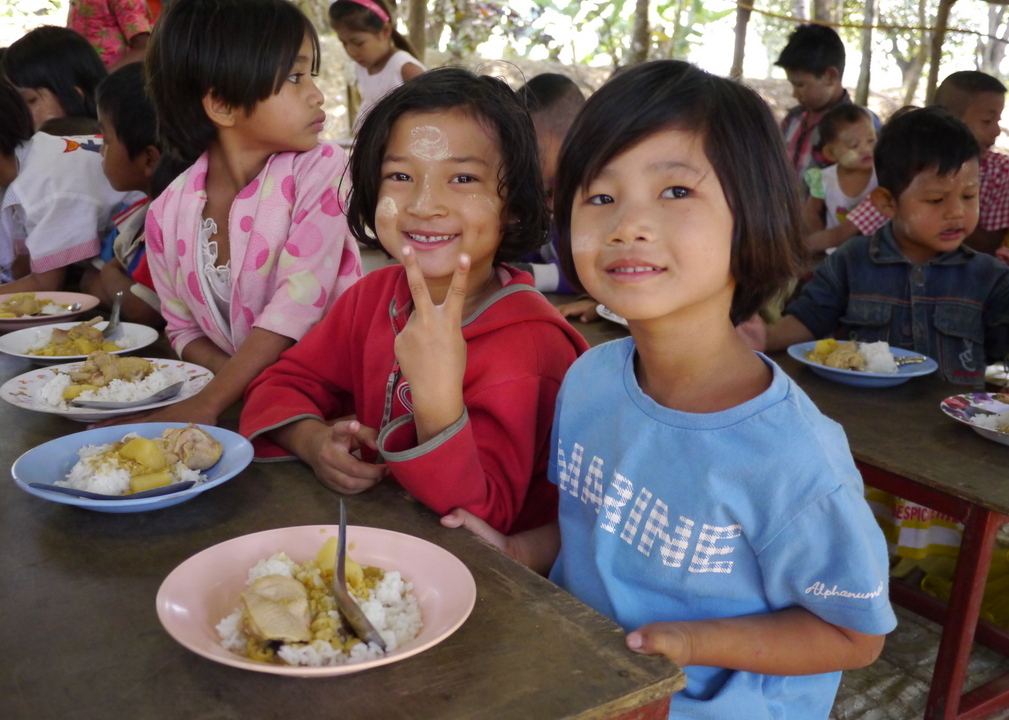
This day for lunch, the children had rice with chicken and curry. Most of the time, the orphanage cannot afford to feed them meat so today’s lunch was a special treat. The children’s parents, who are dirt-poor, do not have to pay for this day care. It is provided by donations to the orphanage.
P1280197

In the afternoon, after finishing at the day care, our vans drove for nearly an hour over bumpy roads until we arrived at the middle of the provincial dump. There, we met families of illegal immigrants who earn a living sorting through the refuse and selling materials for recycling.

2013-12-22 01

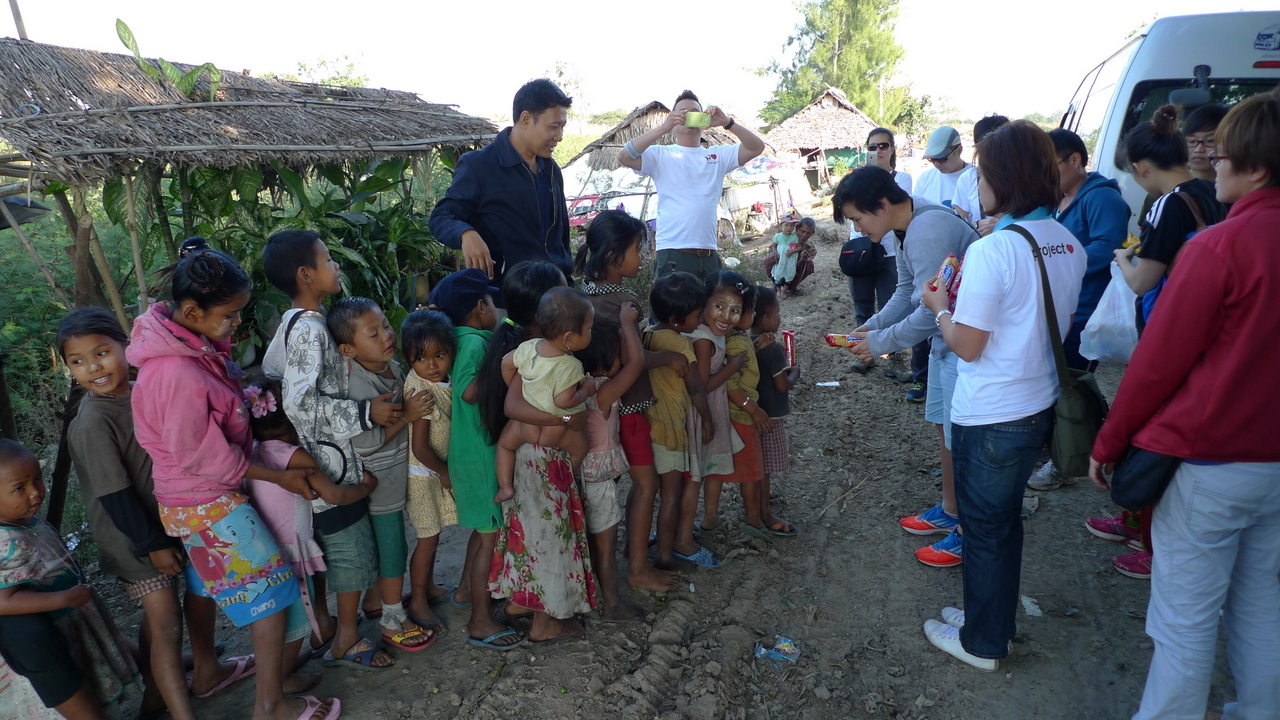
Their rickety shacks line the roads and their children, who are now able to receive some education thanks to a nearby school recently built by an NGO, were happy to see us and receive some Christmas treats.

P1040735

That evening in the guest house while we were debriefing the day, the sound of Christmas carolers filled the air. A group of students from the Love & Care secondary school (which we would visit on Day 3) had come to sing us songs. I felt so bad for them as they had piled in the back of a pickup truck and driven 20 minutes in the chilly weather. It was a lovely surprise, though, and quite festive.

Day 2

P1040745

The next day we spent at the Heavenly Home orphanage, playing with the children, organizing games, bathing and feeding them, and singing songs.

P1040843

This was a particularly rewarding experience because the children are used to visitors and are very eager to play with them. It wasn’t unusual to have four youngsters balanced on my knees with another two or three trying to climb up.

P1040805The founders of the orphanage, Thantzin and his wife Lily, are a Burmese couple who lived many years in Singapore. Unable to have their own children, they felt called by their faith to help the children of Burmese refugees and migrants in Thailand.

P1040920

What started initially as a day care has expanded and they now care for more than 50 children whose parents have given them up as well as another dozen whose parents pick them up each evening.

P1040900

While children can stay up to the age of 18, right now they only have children from the age of 3 months up to about 12 years old.

P1040863

Our primary mission was to spread the spirit of Christmas so early on the evening of the 23rd, after the children had eaten their dinner and been bathed, dried, and dressed, they lined up for cake. We then went upstairs to sing songs and give gifts.

P1040999

The happy family of Heavenly Home orphanage, crowded into the upstairs living area, which is also the girls’ bedroom. It was a chilly evening so everyone was bundled tight, happy at having such a fun evening.

Day 3

Our final full day was spent at Love & Care, a secondary learning center about 15 minutes outside of Mae Sot. Burmese migrants and refugees face a challenge: undocumented in Thailand, they cannot attend local public schools, but they education they may have received in Myanmar isn’t sufficient for meaningful work in Thailand. Love & Care is one of many learning centers (not “schools” as they don’t follow the curriculum of the Thai Ministry of Education) serving this group.

P1050038

About 70 students live at the school, which boards all its students. They range in age from about 16-21 and many have already matriculated from secondary school in Myanmar. Love & Care offers grades 10-12 taught in Burmese, English, and Thai.

P1050021

While there, I did interviews of several of the students and faculty. Their parents are almost uniformly farmers or laborers and one common thread is that none of them seem to be the oldest child. While I didn’t clarify why this is, I would guess that the oldest child is needed to help on the farm and it is only once you have several children that you can consider sending them for education.

P1050067

We played many games with the students, mostly focused on team-building and other types of skills. After the games, we talked a bit about the lessons learned. A common theme among these students is that they came from different tribes – Karen, Shan, etc. – and it was at Love & Care that they first met people different from themselves and learned that people are all basically the same. Perhaps the most important lesson they have learned, considering they come from a place where deep-seeded animosity exists between different ethnic groups.

P1050138

In the afternoon, we did an exercise where each student created a dream board, using paper, pens, old magazines, etc. The objective was to illustrate the dream they hold for their future. They then took turns sharing their dreams with each other. Most wanted to be doctors, nurses, teachers, or other professions that would enable them to return to their communities and help others. It is easy to imagine what a powerful impact these young people will have on the future of Myanmar.

P1050192

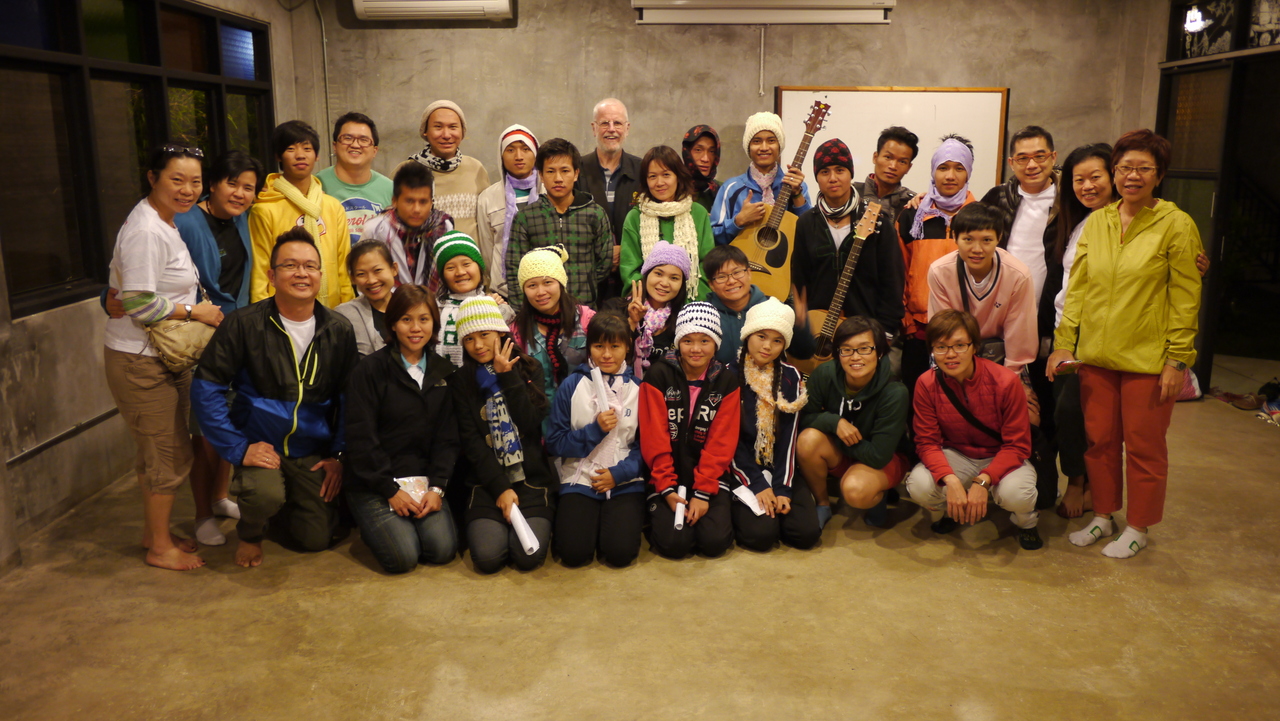
In the evening, about half the children from Heavenly Home joined us and we had a large Christmas show. Different groups of students and children performed, gifts were given, and songs were sung. By the end of the day, many of the students had asked to connect with me on Facebook and I left with many new friends.

P1050157

In the days after this trip, I’ve had several people say nice things about how generous I am, how nice it is that I did this trip, etc. In truth, it is the children and students who have been so generous and I have to admit that I’ve taken a great deal from the experience.

Each visit to Mae Sot serves as a reminder that it takes precious little to be happy in life, and that so many people barely have that. Our common humanity binds us and there is great power in showing compassion and sharing love.