Shiodome and Naka-Meguro

After a night in Hakone Yumoto we headed back to Tokyo on a misty and overcast Tuesday morning for two final days in Japan.  Switching hotels from our comfy little place in Ueno, we went upper end and stayed at the swanky Park Hotel in Shiodome. 

This hotel, which I initially confused with the Park Hyatt Hotel of “Lost in Translation” fame, is still very nice and a very good value.  Located on the 25th-33rd floors of the Shiodome Media Tower (with the lobby on the 25th floor!) this new hotel is centrally located to four subway/rail lines.  Rooms are modern and well-equipped and the staff is exceptionally attentive.

Best of all, the view from the room (the same one as from the reception counter in the lobby), is stunning:

P1150921

The upside/downside of this hotel’s location is that Shiodome is kind of like Century City in Los Angeles: largely a complex of business towers, a glass and steel wasteland that is deserted at night.  It is at once well connected to the city and cut off from it. 

An example of the stunning modern architecture across from our hotel, along with the kitschy faux tori gate set up in front of it:

P1150801

Not far from this concrete netherland we did find signs of nature: the landscaped grounds of what is considered one of the world’s finest daily newspapers, the Asahi Shimbun.

P1150808

Along our way we found more of the ubiquitous vending machines.  Water, water all around and not a drop to drink… if you don’t have a 100-yen coin.

P1150806

One of our stops was the Tokyo Metropolitan Government complex in Shinjuku West.  The pair of buildings at the center of the complex house two free observation decks: one of each tower’s 45th floor.  The view is wonderful and Tokyo stretches as far as the eye can see.  They say that on exceptionally clear days, you can see Mt. Fuji.  Today, though, all we could see is this funny egg-shaped building.

P1150826

It took me a while to find out what building this is, but the internet is a wonderful tool.  Thanks to Emporis.com, an international commercial real estate database that is accessible to the public, I located the so-called “Mode Gakuen Cocoon Tower”.  This 50-story educational building houses three different vocational schools and was selected by Emporis as the 2008 Skyscraper of the Year.  More info here.

On the ground floor of the Tokyo Metropolitan Government towers is an excellent tourism office that provides all sorts of useful, free information about greater Tokyo.  One thing they offer (for which you are well-advised to sign up for in advance) is free tours in English.  Something I will do differently on my next trip to Tokyo: stop here on day one.

There is also an office providing information about the other prefectures of Japan.  Although much of the information is in Japanese, some English language materials are available.  There are some fantastic three-dimensional wall displays showing the highlights of various regions.  They looked like the hats from Beach Blanket Babylon.

P1150832 P1150833
P1150834 P1150835

For lunch, we tracked down Funabashiya, a famous tempura restaurant in East Shinjuku recommended by a friend, Masakazu.  Dinners run around $50 here but like most restaurants in Tokyo, lunch is a much better deal.

P1150848 
P1150842 P1150838

This restaurant is about only one thing, tempura, and they do it incredibly well.  They’ve been around for years and their lunch special – about $10 – was a set of two batches of tempura with rice, soup and pickles.  The second batch of tempura was a surprise.  After receiving a generous serving of light, crispy vegetables and shrimp fresh from the wok, we were already satisfied.  Then the waitress returned a few minutes later with a second serving!

P1150846

It is hard to describe how perfectly cooked this tempura was.  Very light batter and not a bit of grease.  There were three types of sea salt to sprinkle on the tempura, including a red salt with lots of minerals and a pepper-salt mixture.

After lunch we did a little more shopping in Shinjuku, including a stop at Tokyu Hands, an eight-story crafts/hardware/home improvement/DIY store in which you can definitely find at least one thing you never knew you needed.

On the way back to the rail station we passed something surprising: a large Krispy Kreme donuts outlet.  Fellow Xangan Tony took a picture of this on a recent trip to Tokyo but I was surprised to see it in person, and even more surprised by the number of people queued outside at 3:30 in the afternoon!

P1150855

Nearing rush hour, we hopped on a train, connected at Shibuya and traveled two stops further to a hidden gem that isn’t on the tourist guidebooks’ radar screen, yet: Naka-Meguro.

P1150859

Everyone wants to find that little hidden corner of a city, one they enjoy because it is hip and cool but not yet discovered.  Of course, by the time you find out about it, the secret is already out and Naka-Meguro is no exception.  Recently dubbed “the coolest corner of Tokyo” and profiled in the NY Times travel section, Naka-Meguro is a collection of cafes, boutiques and bookstores that runs along an idyllic, tree-lined river.

P1150869

Sure, gentrification is quickly happening and this area, which has never been inexpensive, is getting pricier by the week.  But it is still a cool and relatively quiet area and, given that it is just two stops from Shibuya – home of the intersection that sees two million people a day pass through it – it is amazing that it exists at all.  I’d definitely recommend you spend a few hours in the afternoon here, spilling into dinnertime if at all possible.

P1150873 P1150898 P1150907

Left to right: clothing and other fun items recalling Blackploitation and the 70s; Tawn in front of something a hair hipper than a Goodwill Store; a uber-modern Japanese sweets shop.

P1150878 P1150886

Left: Another clothing store with a vaguely “rust belt” look; a stock pot cools on the windowsill of a restaurant specializing in squid.

P1150892

Sadly, evening was falling fast, Tawn was feeling a bit exhausted from all our running around, and we had a 3:45 am appointment the next day, so we excused ourselves from Taro, Mark and HP’s company and headed back to Shiodome, stopping at a tiny hole-in-the-wall tonkatsu place at the JR Shimbashi station and unwittingly finding the best tonkatsu we had in Tokyo!

P1150917

This tiny place was full of salarymen – the typical Japanese office workers – and there was nothing in English except for the Asahi beer bottle label.  We pointed to one thing on the menu (after all, everything there was a form of tonkatsu so how wrong could we get?) and ordered two plates of it.

P1150914

What arrived was beautiful in its simplicity.  The chef cooked and drained cutlets of pork loin, each with a small strip of fat along one side and served with shredded cabbage, rice, pickled daikon radish, and miso soup with baby clams.  The setting was pretty plain and the plating was that of a blue plate special, but the tonkatsu was divine: moist and flavorful interior with a crisp, dry exterior.  Perfection.

We were in bed by 10:00, trying to catch a few winks before a very early morning on our final day in Tokyo.
Overnight in Hakone

After four days in Tokyo, we checked out of our cute little hotel and took the train out of town.  Our destination: Hakone, a cute little town with onsen (hot springs) in Kanagawa prefecture and the gateway to the Mt. Fuji region.  The timing was perfect: as much as we enjoyed Tokyo, after the first four days we were ready for a little break.

P1150763

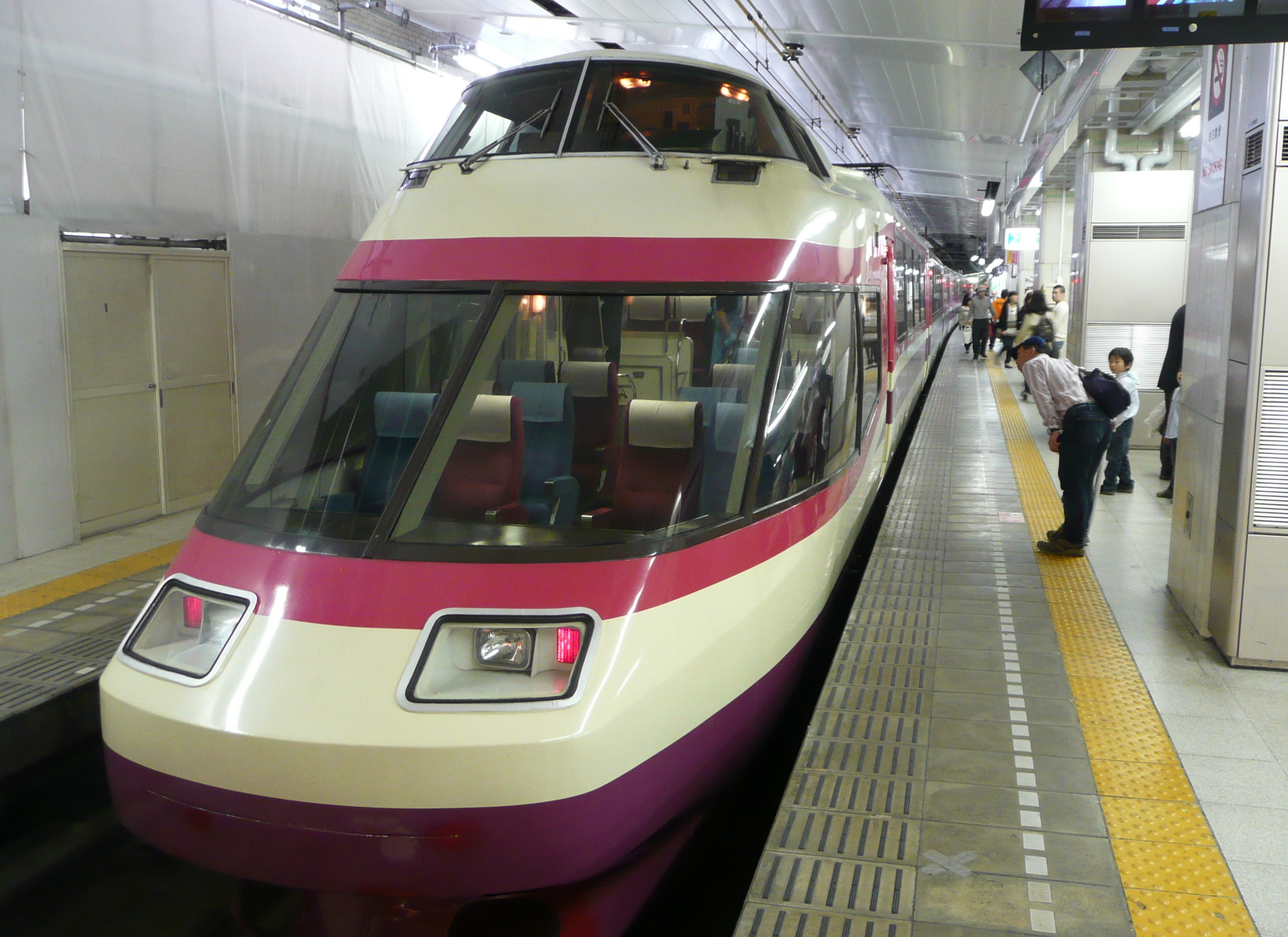
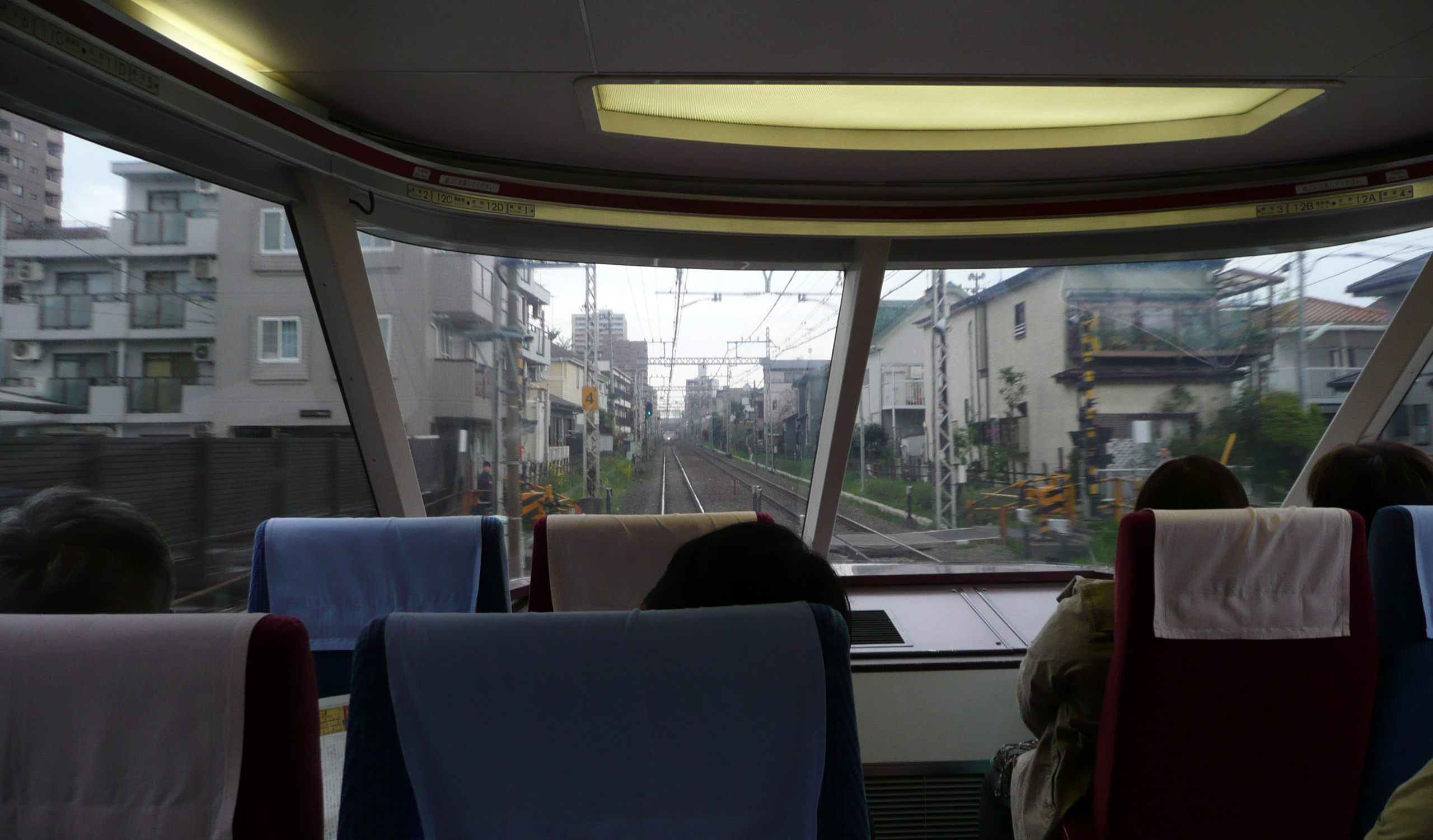
The “Romance Car” is a 90-minute service from Tokyo’s Shinjuku station to the town of Hakone Yumoto.  It isn’t particularly romantic but it has forward facing seats as opposed to the subway car that is used for the local service on the same line.  The best part of the Romance Car is that it looks vaguely like a Boeing 747.

P1150759

You can sit in the nose area and have this fantastic view for the whole trip.

P1150649

Arriving in Hakone Yumoto, we found it to be a charming, quaint town.  A small river flows through it and it is easy to walk from the train station to just about anywhere in town.

P1150747

Our hotel, Hotel Senkei, was a traditional Japanese inn complete with hot springs bathing facilities just a ten-minute walk from the station.  Nestled into a hillside, the Senkei is quiet and charming.

One overall observation with travel in Japan – an observation which held true at the Senkei – is that English isn’t that widely spoken.  Not that I expect people in other countries to speak in my language, but with the large number of non-Japanese we encountered, both in Tokyo and even here in Hakone, I was a little surprised that there aren’t more people in the tourist industries who speak languages other than Japanese.

That’s not a problem, though.  Between Tawn’s few words of Japanese and a good game of charades, we were able to communicate reasonably well with almost everyone.  There were only a few times – I had a problem with my train ticket to the Narita airport, for example – when we felt a communication barrier.  In that case, I felt like the person working the ticket gates genuinely didn’t want to help me.

In either case, what is there to do in Hakone?  Well, seeing Mt. Fuji is the main thing and it was my objective.  You can buy a “Hakone Free Pass” which isn’t free but which allows you to travel on all the different types of transportation in the region.  And what a range it is!

P1150653

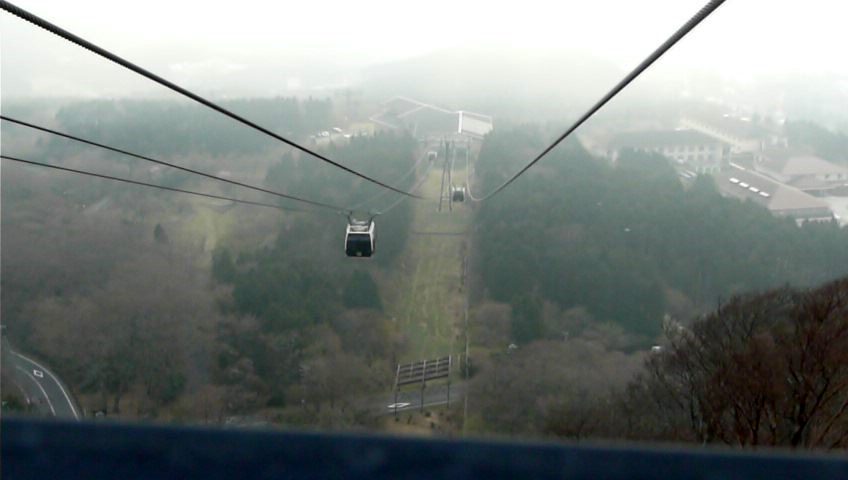
First, you take a cute two-car train about twenty minutes up the mountain.  (This isn’t Mt. Fuji, just another small mountain above the town.)  Then you transfer to a funicular railroad (above).  This leads to the “Hakone Ropeway“, an aerial lift that carries gondolas over the summit of the small mountain and down to the shores of Lake Ashi.

Hakone Ropeway

This is what the view from the Hakone Ropeway is supposed to look like.

P1150689

When we arrived there at 4:30 on Monday afternoon, this was the actual view. The entire lake and mountainside was socked in with fog.  It reminded me of San Francisco.  So, no Mt. Fuji.

P1150665

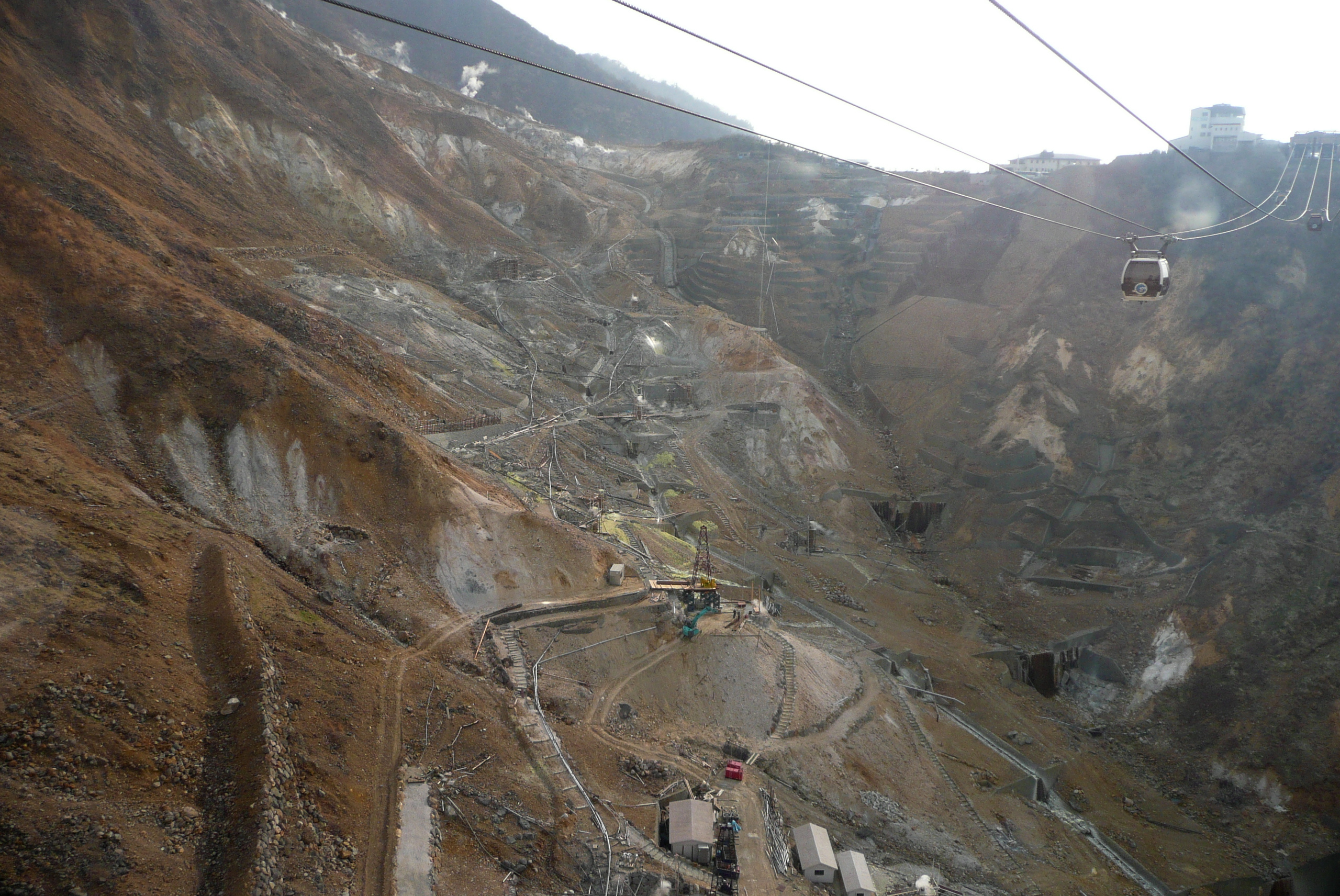
Along the ropeway’s path you cross a large sulfur mine – the so-called Valley of Hell – that really is aptly named.  You can see where they’ve stripped away large portions of the mountain and there are large yellow deposits of sulfur.  Oh, and it smells like rotten eggs, of course.

P1150691

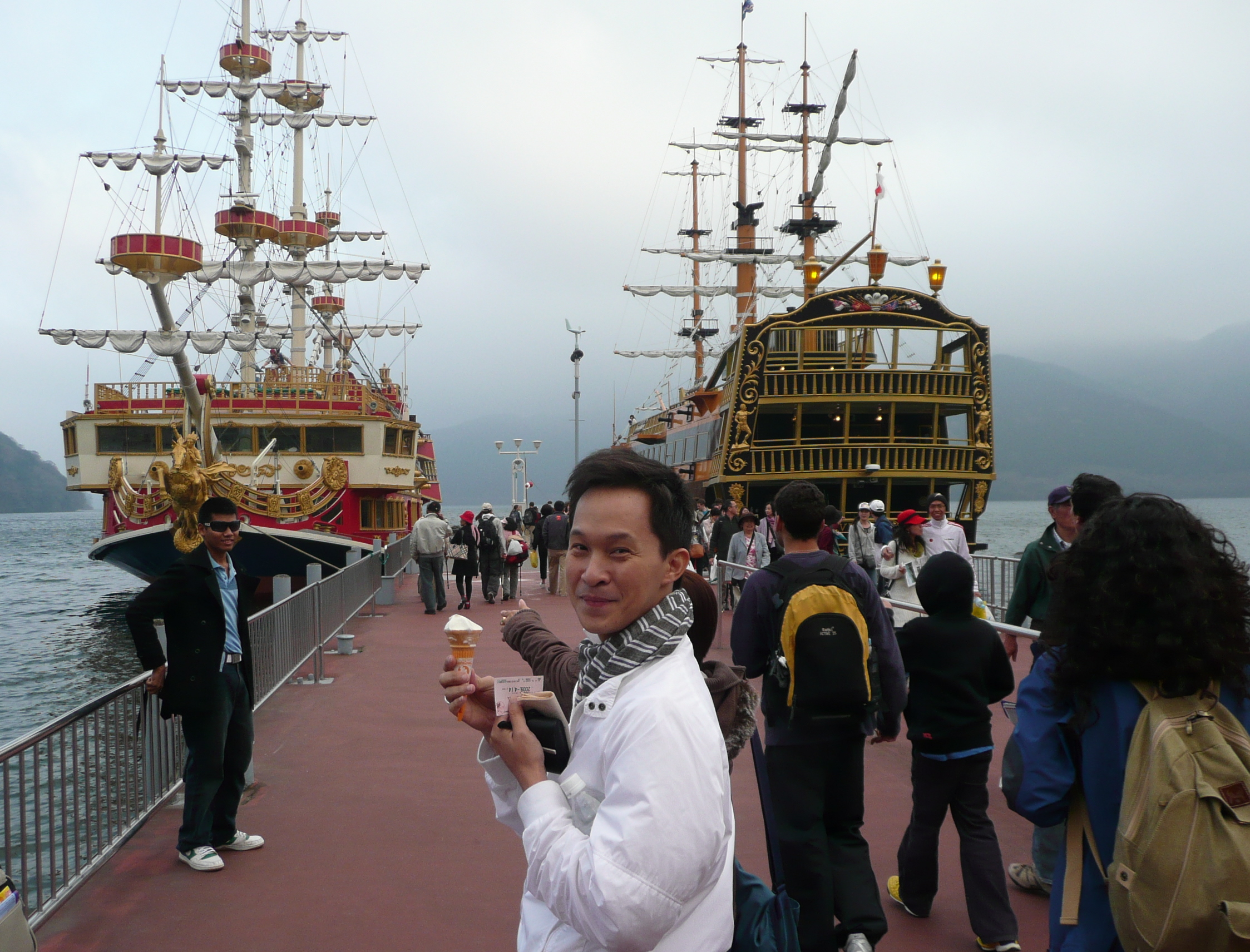
When we arrived at Lake Ashi, it was also socked in.  We had just ten minutes before the finally ship of the day would sail to the far end of the lake, a thirty minute journey that normally affords nice views of Mt. Fuji.  Incongruously, the ships are decorated like pirate ships.

Why Tawn was eating an ice cream, I don’t know.  It was very chilly on that dock and we stayed inside the boat for the whole trip.  At the far end of the lake we boarded a bus, completing the circuit back to Hakone Yumoto.

Exhausted, we returned to the hotel and changed into our yukata, the traditional Japanese robes one wears when lounging about the room.  We had already been asked of our preferred dinner time and we chose the latest we could – 7:00.  This video shows highlights from our entire Hakone trip but a large portion of it shows the elderly Japanese housekeeper who lays out an elaborate dinner spread and tries to explain to us how to eat it.

To say that the meal was elaborate is an understatement.  There were some dozen individual dishes, each prepared with great attention to the presentation.  They were delicious and beautiful and by the end of the meal, we were truly satisfied.

P1150728

We had a lacquered tray of five little amuse bouches.  Sadly, I can’t tell you what they were, only that each was tasty and fun to eat.

P1150725

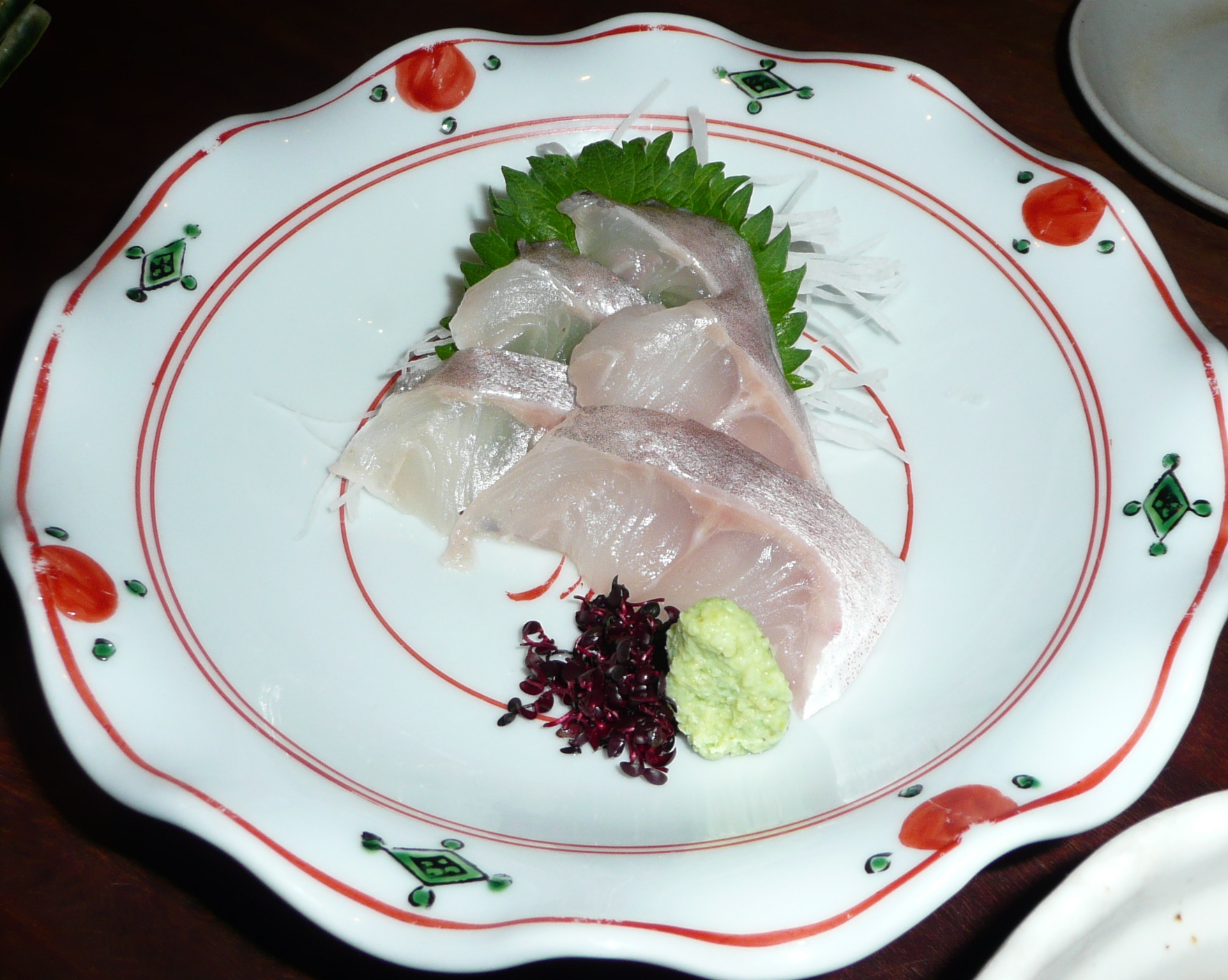
We had sashimi, pickles, potato salad and something in the green jar that I can’t remember.

P1150727

The main course was shabu-shabu, beef and vegetables boiled in water and dipped in a sesame sauce.

P1150736

Twenty minutes after we started eating, the housekeeper returned to serve tempura, the lotus root rice, and a cold pork dish.  The miso soup in the corner had these tiny clams in it, smaller than my smallest fingernail.  The tempura was a new experience: instead of being dipped in a heavy batter, it had just a light egg wash.  The inside was a scrambled egg, one pouch with a scallop and the other with a shrimp.  The theme was “sakura” – cherry blossoms – and so the little decoration is meant to evoke a sakura in full blossom.  The other thing I learned is that with really good tempura, you’re meant to sprinkle a little sea salt on it.

P1150731

We were so busy taking pictures that the housekeeper was probably wondering if we were ever going to eat.

P1150733

Not only did I have to take pictures for this blog, but we had another Flat Stanley traveling with us, this one from Monterey, California.  Of course, Stanley wanted to try some Japanese food, too!

P1150742

While Japanese meals don’t usually include dessert, we were served some of the wonderfully sweet local strawberries with a dollop of whipped cream.  The perfect way to end the meal.

After dinner, we went downstairs to the hot springs.  Hot spring baths, or onsen, are a central part of Japanese culture.  These mineral rich waters are said to be good for any number of ailments and I think the simple act of relaxing in a tub of hot water is a good stress-reliever.

The hotel had both indoor and outdoor baths.  The single outdoor bath alternates days for men and women.  Both sexes had their own indoor bath, though.  Japanese baths are the great leveler: everyone is naked and young or old, skinny or fat, the baths make you realize that we are all pretty much the same.

There were signs and cartoon instructions in both Japanese and English making sure the two important rules of Japanese bathing were observed: First, you clean yourself thoroughly before entering the hot springs.  There are little stools and shower hoses in a row and you sit down and scrub yourself until you are pink.  Second, your little hand towel must never be put in the bath water.  You can put it on your head, use it to cover your face, set it on the side of the bath – but don’t put it in the water.

P1150743

While we were being scalded in the onsen, the housekeeper took down the table and set up our futons.  These were not as comfy as the ones in the Ueno hotel but we still had a good night’s sleep after the day exploring, the filling meal and the relaxing bath.

P1150750

An elaborate breakfast was served bright and early the next morning as light spring rain fell outside the room.

P1150751

Boiled tofu and seaweed, fish cake, pickles, rice…

P1150752

and a poached egg (served, oddly enough, a bit cool) in a thick soy sauce.

Checkout time was 10:00 and we were packed and ready to head to the station, re-energized and eager to return to Tokyo for a few more days of exploring.

Here’s a video of the meal:

Yokoso Japan!

While it was an early morning Thursday, we made it to the airport and onto our flight with no problems.  I’ll write at a later date about the experience on United’s new business class as I know it isn’t the most pressing news to cover.

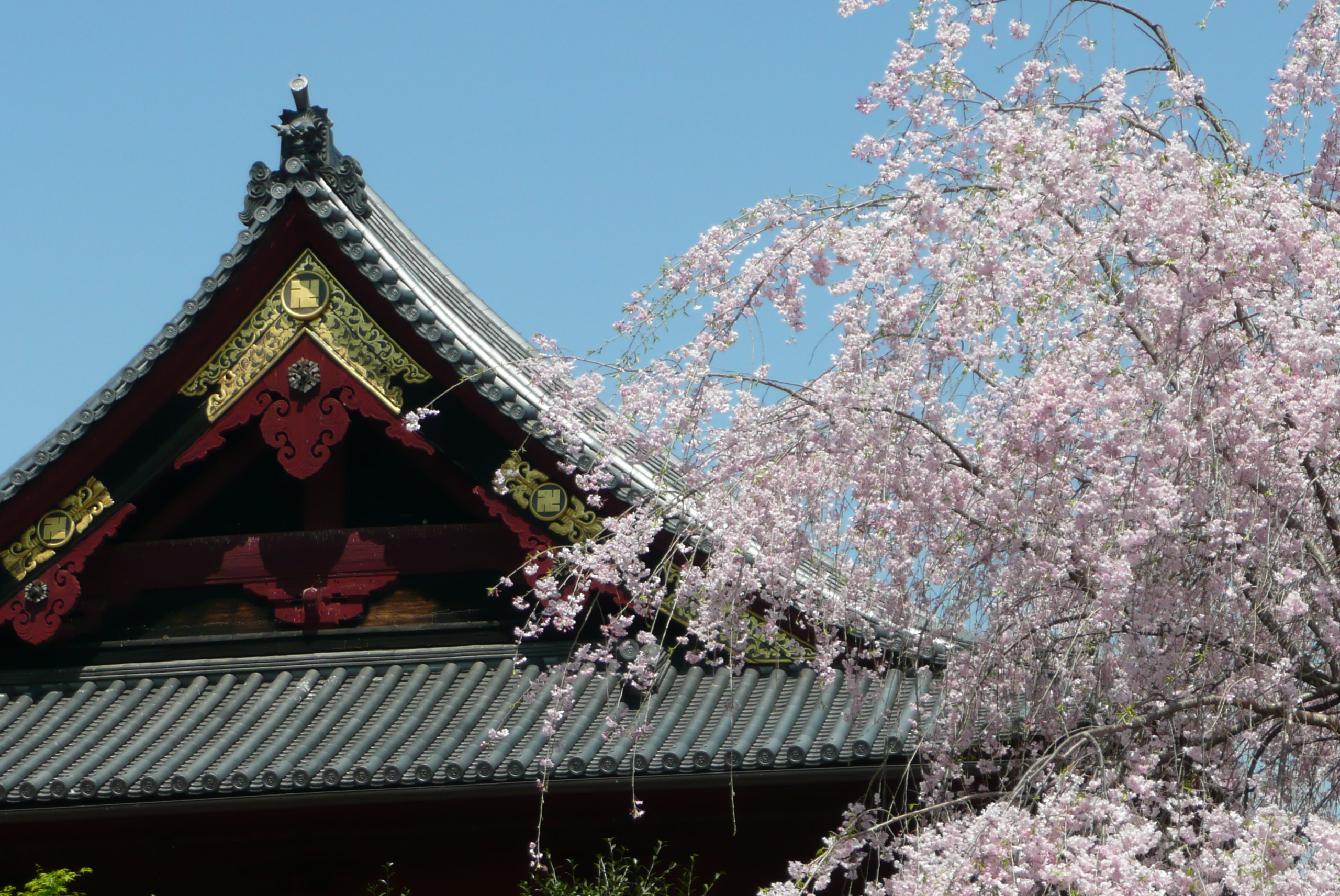
It was still sakura (cherry blossom) season when we touched down at Narita airport north of Tokyo.  A row of trees lined the runway, their light pink blossoms at their peak.
P1150005

We passed through immigration and customs with no problem, located the post office where I picked up our rental mobile phone, then we headed to the train station.  Ninety minutes later we were walking to our hotel, the Ueno First City Hotel, located in the Ueno district near Tokyo University.

The Ueno First City Hotel wasn’t our first choice.  Several of the recommended ryokan (traditional Japanese inns) were full.  But this is actually a nice hotel.  We have a Japanese style room that is tiny but comfortable.  The staff is friendly and helpful and we’re less than a ten-minute walk to three different rail stations.

We met Taro for dinner, a friend who used to be the Assistant Director of the SF Int’l Asian American Film Festival.  Taro took us to an izakaya in the neighborhood that specializes in lotus root dishes.  Izakaya – literally, “drinking houses” – are pubs that serve small plates of food.  Kind of like tapas bars, you order a few small plates at a time to accompany your drinking, until you are full.

We had some excellent food and, really, the food is just about the most important thing to experience in a culture.

P1150033

Burdock root with pork, carrots and sesame seeds

P1150034

Hokke – a type of sashimi from a fish from the northern island of Hokkaido.

P1150037

Fried lotus root with grated fish meat.

P1150038

Yamo-udo, a mountain vegetable that is known in English as jicama.

P1150039

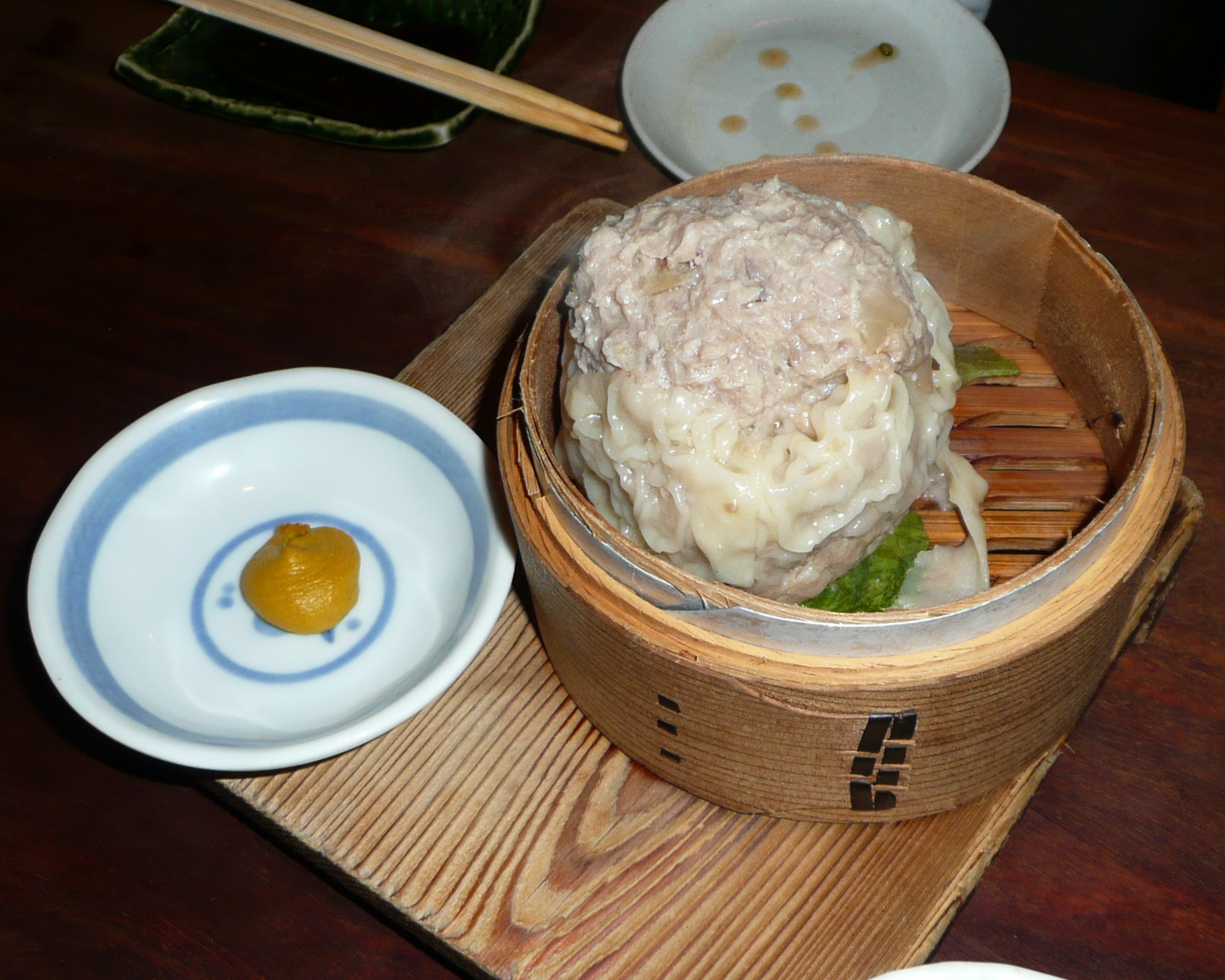
A super-sized shui mai, a minced pork meat dumpling that is borrowed from Chinese dim sum.

P1150040

New potatoes fried and served with chili salt.

P1150041

Mizuna (Japanese mustard greens) salad with vinaigrette.

P1150042

Lotus root steamed shinjo (dumplings) – this is unusual as they are usually fried rather than steamed.

P1150043

Cabbage with ponzu sauce and bonito flakes.

P1150044

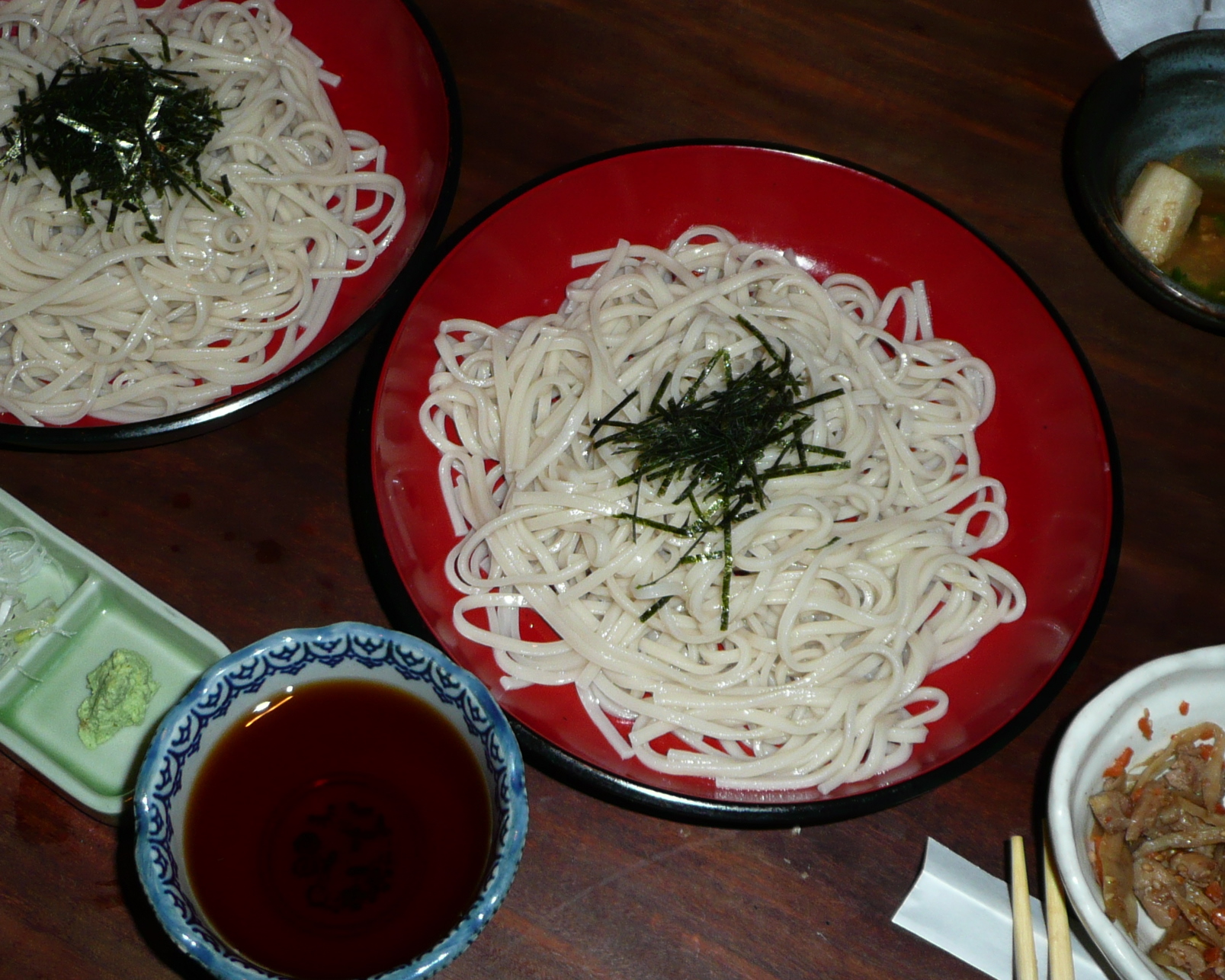
Lotus root soba.

It was an amazing meal and really a nice start to our trip.  It was nice to visit with Taro and we’ll look forward to seeing him again Saturday.

Friday we spent a lot of time exploring our neighborhood.  Starting out with the local area, which is relatively low density, allowed us to get our bearings and explore a lot of wonderful little back alleys and side streets.  I’ll write more about it in the coming days, but one of the highlights was a chance to see the sakura up close.

P1150173

Sadly, the ones in Tokyo are past their peak, but they’re still beautiful.

P1150252

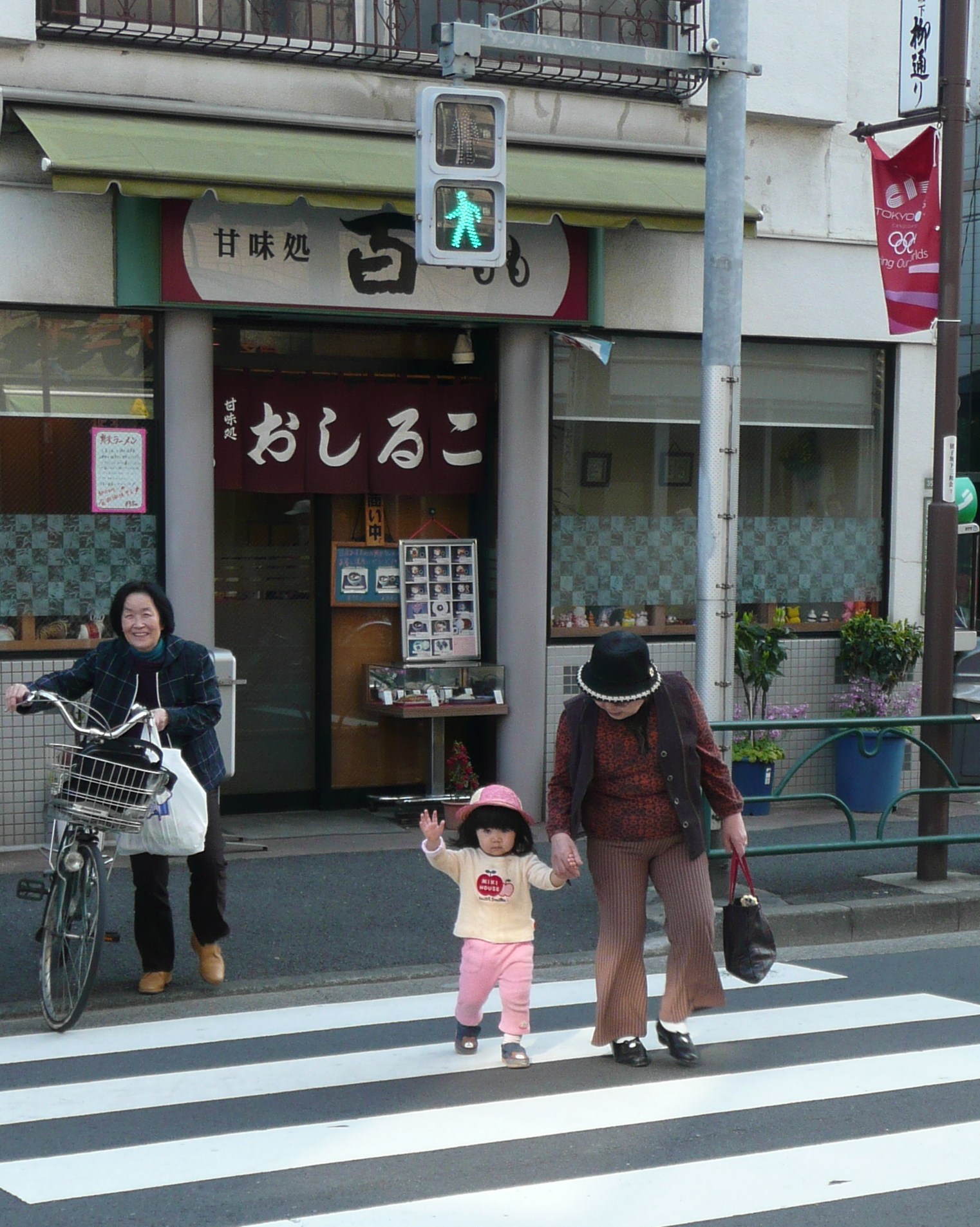
Finally, one of the cutest shots of the day: a little girl waves to us as she crosses the street with her grandmother.

Italian Food Porn – Delicatezza

Oh, my friends, Saturday night I had a good meal, a fun meal, a wonderful communal dining experience that began with spicy tomato sauce and ended with tart gelato.  It was at Delicatezza, an Italian restaurant on Soi Thong Lor 10 (Between Thong Lo and Ekkamai), a restaurant past which I had driven a hundred times and yet – foolishly – at which I had never dined.

It was a bit spontaneous, a gathering of some random friends, some of whom had yet to be introduced.  Truthfully, though, it was just an excuse for me to carbo-load before Sunday’s ride.  Ken and Brian each shared a nice bottle of red with us, and not long after the appetizers, we were already giddily listening to Brian’s explanation of his different airline mileage credit cards and their relative merits.

P1140845

Appetizers – click on a photo to see a larger, more succulent version.

P1140839 P1140841 P1140843
From left to right: parma ham and sweet melon; mixed seafood with spicy tomato broth; mussels with spicy tomato broth.

The Cioppino-like seafood appetizers were amazing: the broth was rich and tomatoey, with lots of spice and pepper.  The seafood was really fresh and the servings generous.  The melon, which was so crisp that I thought it wasn’t ripe, showed why it is called a honey-dew.  I haven’t had so sweet a melon in a long time, a perfect foil for the salty ham.

We enjoyed liesurely service and the modern, well-lit atmosphere.  The crowd was mostly Thai families with lots of large groups.  When our main courses arrived – and they actually arrived at about the same time in very un-Thai fashion – we were treated to even more wonderful delights!

P1140850
Mixed seafood with angel hair pasta

P1140848
Clams with squid ink pasta – Matt’s black lips were very Goth

P1140853
Bacon, musrooms and olives with spaghetti and garlic

P1140855
Penne with salmon and a vodka-tomato sauce

P1140856
Pork chop with demi-glace and vegetables

These were fantastic mains.  Very reasonable prices, generous portions, high-quality ingredients and very good technique.

P1140857 Before Suchai arrived, we told the waiter that it was his 40th birthday, which was true a week or so ago.  But it is fun to sing Happy Birthday and we knew it would annoy him so we did it anyway.

Below, Matt, Kobfa and Tawn – the ex-San Franciscans – pose before dessert.
P1140859

Dessert was simple: homemade gelato.  The orange is a flavor that is just like taking one from the market, throwing it in the freezer for an hour, then biting into it.  The lemon was super tart and so refreshing after the relatively heavy meal.  The strawberry and rasperry were very good, too.  The chocolate was heavenly rich.

P1140860

I think that Delicatezza has just become my new favorite Italian restaurant in Krungthep.


Pancakes, Tonkatsu and a Sunset

It’s Saturday, so let’s have a food entry, shall we?  Not that we need any excuse for a food entry.

Pancakes

A notable aspect of Thai culture is the snacking.  There are always vendors handy selling food and Thais, not unlike Hobbits, eat many more meals in a day than the typical three.  Why do they do it?  Without a doubt, the answer has something to do with how fun it is to snack.

For the most part, Thais maintain their skinny figure because they aren’t over-eating, just nibbling a little here, a little there.  Most of these snacks are pretty healthy, too.  And since snacking is even more fun when it is done with others, they share their snacks with friends and don’t eat nearly as much that way.

From time to time, non-Thai foods manage to find their way into the snacking scene, probably with not so good results on the waistline.  Waffles are one example.  Many of the Skytrain stations have vendors who sell these small, yeast dough waffles.  They’re very sweet.

Then there are the crepe vendors.  We’ve started to see these over the past few years.  It is a take on the Japanese version of French crepes: cooked very dry and then rolled into a cone shape and filled with either sweet or savory fillings.  No Nutella here, though.

This week, though, I saw the strangest thing: one of the crepe vendors was actually making pancakes.  Yes, yes – I know that crepes are a type of pancake.  But these were big, thick, American-style pancakes.

P1140777

Surprised, I stopped and asked if I could take a picture.  She just looked at me like I was an alien but didn’t say no, so I snapped away.  I was on my way to lunch so I didn’t buy one and try it.  But I’ve now seen her twice in front of the Thong Lo post office, so I’ll have to go back and see what flavor they are.  You can see that she has some crepes prepared, too, on the front of the cart.


Tonkatsu

The largest population of legal foreigners in Thailand are the Japanese.  I’d imagine that the number of Burmese, Lao, or Cambodians may be higher, but many of them are probably not here legally.

One of the benefits of having so many Japanese here is that we can get pretty good Japanese food.  One of the items that I really like is tonkatsu, the pork cutlet that is breaded in panko and then deep-fried.  When done perfectly, tonkatsu is moist with a crunchy exterior, very flavorful, and not at all greasy.

Of course, average tonkatsu is a dime a dozen.  Recently, though, I read a review for Saboten restaurant, located on the sixth floor of the Isetan department store (a Japanese chain) at Central World Plaza.  Oh, this place makes good tonkatsu!

First of all, the place itself is very bright, beautifully designed, and obsessively clean.  The service is very good.  In general, Thai service standards are quite high, but here they bring it to an even higher level.  Every time someone approaches the table, they give a little bow, even if they are just refilling my tea.

The menu is simple: they offer only tonkatsu and only about six different varieties.  Meals come with a bottomless bowl of shredded cabbage, which you can dress with either a sesame dressing or a vinaigrette.  Rice and miso soup are also bottomless, although one of each is always enough for me.

P1140780

The tonkatsu is amazing: the panko are perfectly textured with not a drop of oil.  Nothing about the crust is soggy at all!  The meat is tasty and moist.  The sauce, which is mixed with toasted black and white sesame seeds that you grind yourself, is just a tad too sweet.  Another restaurant we know has a slightly spicy version that really is nice.  But all in all, this is good tonkatsu.

The best part is, it really is quite reasonably priced at about 300 baht.  Yes, a lot more than a 30-baht bowl of noodles from a street vendor.  But for what you get, it is a great value.


Sunset

Finally, let me leave you with this photo from Ipanema Beach in Rio de Janeiro.  This comes courtesy of Prachya, who took it last year while on holiday there.

Ipanema Sunset

Normally I don’t post others’ photos, but when I saw it on his Facebook album, I thought it was so pretty that it should be shared with you!  I hope you enjoy it. 

Have a great weekend!


Pita! Pita!

Sometimes I think I suffer from cooking ADHD.  I try out a new thing for a while, then decide that I’ve done that and move on to something else.  A few months ago it was pan-seared duck breasts.  Last year I was doing the whole wheat sourdough starter (which I would still be doing if I hadn’t killed it).

Maybe I just like the challenge of exploring a new type of food, a new ingredient, or a new cooking technique.  Once I have tried it and understand it, I feel like it is successfully in my repertoire and so I search out something new.

Recently, I’ve been thinking about pita bread.  We have a good-sized population of expats from various Mediterranean countries and enjoy a few restaurants that cater to them.  My favorite is Beirut, but there are others.  Locally-made fresh pitas are available in two types – softer/more doughy and drier – at my local Villa market.  Even the drier type is a far cry from the tough-as-shoe leather pitas I remember from my childhood.

But I wanted to make my own pita bread.  So I did.  Turns out it is pretty easy.  The biggest challenge is making the individual breads evenly round and the same size.

P1140688

First step: Mix whole wheat and white flours, water and a small amount of yeast.  Combine until it forms a very wet sponge then let it sit for several hours.

P1140689-1

Second step: After the sponge has a foamy surface, add more flour and combine into a dough.  My dough turned out really sticky, almost to the point of not being able to handle it.  Am not sure what it should look like, but next time I’m going to cut back on the liquid a bit.

P1140691

Third step: let the dough rise for another hour or two, until doubled in volume.  The dough can be refrigerated and used over the next several days.  The flavor will improve over time due to fermentation.

P1140694

Fourth step: Form the dough into individual breads, rolling it about 0.25 in / 0.75 cm thick.  As you can see, my dough was so hydrated I had to use a lot of flour.  Also, I didn’t manage to get consistently sized and consistently round breads.  I like to say that they are “rustic” or “artisinal”.

P1140700

Fifth step: Baking.  Heat a baking stone, some unglazed quarry tiles, or a cast iron skillet in a very hot oven – 450 F / 220 C.  Then cook the breads, a few at a time, on the stone.  They only take about three minutes to cook and there is no need to turn them over.  Sometimes they puff up, but according to the recipe, sometimes they don’t. 

P1140702

Set them aside on a rack to cool a bit.  They can be stored in a tea towel to keep them fresh and warm.  They can also be reheated before use.  Even though they have that rustic look, the flavor and texture was spot-on.

I prepared Indian spice pork chops, marinated in a rub for a few hours so the flavor really soaked in.  Served along with homemade hummus, a red cabbage cole slaw, and salted cucumbers with plain yogurt.  Quite a tasty dinner.

P1140706


San Francisco in April – Interested in subletting a fully-furnished apartment in San Francisco for a few weeks in April?  It you or someone you know is interested, please send me a message and I’ll connect you with my friend.


Taste of Singapore

Some say that Singapore doesn’t have great food, only okay food.  One thing I like about it, though, is the variety.  The quality is good and with such a mélange of cultures, the number of different styles and flavors is enough to pique my interest for days at a time.

Here are a few of the treats I enjoyed:

P1140630

Roti Prata with curry.  Coming from the Malaysian side of things (and tracing back to Pakistan and India), roti prata is an unleavened bread fried in oil.  Many layers and nice and crispy.  Served with a bowl of vegetarian curry and, for in this case, a side of stir-fried greens.  Roti is available here in Thailand, too, mostly from Muslim vendors and mostly served sweet.

P1140675

Hainanese Chicken Rice.  This is the ubiquitous Singaporean dish.  Chicken (either boiled or roasted – in this case boiled) served with “oily” rice, some broth and a plate of braised tofu and duck eggs.

P1140684

Claypot chicken rice.  This is one of my favorite Chinese dishes, originating from southern China.  Cooked over a charcoal stove, the rice at the bottom bakes on, forming a nice crispy texture.  The sausage is sweet, the chicken succulent, and the bitter greens provide a nice counterpoint to the satisfying savoriness of the overall dish.

Funny story about the claypot chicken rice, though.  I ordered this at a food court and the guy looked at me for a long time, like he couldn’t decide whether or not to serve the dish to me.  It wasn’t a case of him not understanding me, though.  Instead, after a few moments he walked out from behind the counter, crossed the sea of tables to a person collecting dirty dishes, and poked through the tub of used dishes to find a clay pot and lid.

Then he returned the dish to the kitchen and I proceeded to wait ten minutes for them to prepare the meal, hoping the whole time that they were really going to scrub the pot first!

The high heat of the fire would kill any germs, right?

P1140627

Additional vegetarian selections at the restaurant downstairs from Otto and Han’s place.  Big line outside in the morning makes me think this is the neighborhood hot spot.


Trip to Taling Chan Floating Market

On the to-do list for many visitors to Thailand is a trip to the floating market.  But the challenge is finding one that is reasonably authentic and is reasonably nearby.  All the pictures you see of floating markets in your Lonely Planet guide are of Damnoen Saduak in Ratchaburi province.  This is a strictly-for-tourists operation and isn’t particularly worth it.

There is also a nighttime floating market that operates Friday-Sunday at Amphawa in Samut Songkram province.  This is geared towards Thais and is great fun, but requires you to drive ninety minutes each way, which is a drag.

Closer to home there is the Bang Nam Phung market in Phra Pradaeng.  That’s weekends only and has a nice selection of food, but there’s nothing floating about it.  Still, you have to take a ferry across the river to reach it, so there’s at least some nautical action along the way.

A fourth market, Taling Chan, is one I’ve heard about before but assumed it was very touristy and had never sought it out.  Finally, this weekend I had the opportunity as Otto and Han were in town from Singapore with their friend Dixon in tow, all at the same time as Pong from Kuala Lumpur.

After meeting them all for dinner on Friday evening at a local place near the Lumpini police station, Pong and Dixon decided that they were game for some sightseeing.  I met them at Saladaeng BTS station on Saturday morning and we headed to the end of the line at Saphan Taksin.  Instead of fighting with the touts, I stopped at the travel desk inside the station and negotiated a 2-hour canal tour for the three of us with a stop at the floating market for 2000 baht – about $20 per person.

P1140538

Above: Long-tail boats floating on the Chao Phraya River.

We headed up the river for about about twenty minutes, passing all the fancy hotels (Oriental, Peninsula, Shangri-La, Sheraton, Hilton), until we reached the area of the Grand Palace.  Across from Tammasart University, the “UC Berkeley” of Thailand, we turned into Khlong Bangkok Noi – “Bangkok little canal” and headed west.

Taling Chan

About ten minutes along the river we came to the Taling Chan floating market.  This is a combination of a land market and then a series of covered, floating platforms with seating areas in the middle of each.  Boat-borne vendors are moored alongside and you can order your food from them.

The crowd was mostly Thai, although I did see several other tour groups stop.  Our guide took the easy way out and left us to our own devices for a half-hour.  Perhaps if I had not made the effort to speak Thai with him, he’d have done his work.

P1140544

Above, Dixon and Pong seated at the floating market.  The vendors are just over the side on the water.

We ate all sorts of nice things.  I didn’t take pictures of them all, but here is a selection:

P1140541 P1140542 P1140546

From left to right: gwuitiaw moo – mixed pork over rice noodles; satay gai – chicken grilled with coconut milk and served with peanut dipping sauce; gung ob wun sen – Baked shrimp with vermicelli noodles, normally served in a clay pot but here on a banana leaf.

P1140547

Dessert – khanom buang.  A Thai taco with a crispy shell, a meringue-like paste (not from egg whites, though) and either shredded sweet pork or shredded egg yolks cooked in palm sugar syrup. 

Across from the market some children played in the water.  The canal is surprisingly clean, more so than the Saen Saeb canal.

P1140548

Back on the boat, Pong poses for a picture.

P1140552

We had a nice ride back, enjoying the breeze and continuing through the canals until we came back to the river about halfway downriver from where we turned into the first canal.  Even on a hot day, the temperatures are cooler when you’re on the water.

P1140553  

Above: a picture of the Thai Navy headquarters and, on the right, Wat Arun – the Temple of Dawn.

Since we started so early, we were back at the Taksin pier before 11:00, plenty of time left in the day for other things.  I’m glad I took a chance on the Taling Chan market, though.  Well worth another visit.


KL The End

And so, dear reader, the weekend in Kuala Lumpur came to an end.  After walking around the city, finally exploring some of the sights, watching domes being scrubbed and taking in the majestic phallicness of the Petronas Towers, we returned to the hotel, freshened up, packed our bags, checked out…

and had two hours to kill before our driver was schedule to arrive.

Not wanting to get sweaty again and a bit hungry from our explorations that morning, we walked back to the Pavilion mall.  Here is the outdoor dining area that I was talking about – “the catwalk” along which people stroll or sit and sip coffee, to see and be seen.

P1140440  

Ignoring all our Lonely Planet sensibilities – local food only! – we stopped at an Italian restaurant along the catwalk called, originally enough, Michelangelo’s.  They had a reasonably priced set lunch and since our flight wouldn’t put us back into Krungthep until after dinnertime, a late lunch seemed reasonable.

P1140442 P1140443

Mushroom soup for me, Caesar salad for Tawn.  A simple pizza to share.

P1140444

A seafood pasta dish for Tawn (sorry for the lousy exposure) and a hearty ossobuco for me.

P1140450 P1140451

After some coffee, a short walk back to the hotel as the first drops of afternoon rain started to fall.  Below, the thing I like best about KL: beautiful old trees shading the sidewalks.

P1140455

We made good time to the new Kuala Lumpur International Airport, a gorgeous white elephant an hour south of town.  Air Asia flies from the cheapskate… er, low-cost, terminal which is an additional 20 km drive from the main terminal. 

Upon checking in we dealt with the challenge of explaining to the agent that while we had paid to reserve a seat (something new for Air Asia), we would like to pay the difference to the higher fee to reserve an exit row seat (250 baht versus 50 baht).  She didn’t understand what we wanted to do, so we ended up sitting in our original seats.  Not too bad, but legroom is tight so a few extra centimeters would have been appreciated.

P1140463

Smooth flight back to the Big Mango as we watched a beautiful sunset over the Andaman Sea.  Good to be back home.


Cafe Culture in KL

For most of our trip to KL we ate, hung out at cafes and generally avoided the touristy must-see places.  Had we done this in Krungthep, we’d think of ourselves as wasting away our time.  But since we were on holiday in another city, it was quite alright.

Very close to our hotel was the Pavilion Mall.  This very large, very high-end mall is equivalent to Paragon in Krungthep except that it has a very nice open-air space that is lines with restaurants and cafes.  Lots of outdoor seating and – I swear! – the largest concentration of gay men I’ve seen anywhere in Southeast Asia.  The area is apparently nicknamed “The Catwalk” for reasons that quickly become obvious.

P1140325

Outdoor dining is something largely missing in Krungthep, especially middle- and upper-tier restaurants.  Streetside noodle vendors are a baht a dozen, of course.  There was a nice Illy “Espressamente” Cafe situated at the end of the catwalk.

The menu included a wide range of little bites from panini to olives to cheeses.  From upper left, clockwise: olives, air-cured beef, and fresh cheese served with toasts; “arancita” fried rice ball with beef inside; a latte made with heart; grilled panini sandwich.

P1140332 P1140330
P1140328 P1140322

In the afternoon, we went to Central Market, a restored two-story market with many small vendors selling trinkets and souvenirs, some very local and others looking like the same things you can find at any market in Asia.  Next door were some art galleries so we stopped in to see an exhibit.

P1140353

Below, Icsse KHOR Chin Tin’s “Snow Falls in Malaysia?  Who Knows?” – mixed media on canvas.

P1140338

Mohd Iqbal Badaruddin’s “Unforgotten” – mixed media and silkscreen on canvas

P1140340

CHIANG Lup Hong’s “Seven Deadly Sins” – ink and acrylic on paper

P1140343

Detail of “Seven Deadly Sins”

P1140345

Azmi Aris’ “Bersatu Padu” – acrylic

P1140349

Hudri Hayat’s “Kepulangan II” – oil on canvas

P1140355


Many thanks to Pong, Otto and Han’s friend, who introduced us to the gallery.